

Reference Laboratory Testing
O’Connor Veterinary Clinic partners with leading veterinary reference laboratories — IDEXX, Antech, and VARL — to provide advanced diagnostic testing that goes beyond the capabilities of in-house screening. Reference laboratory testing delivers specialized analysis including histopathology, advanced hormone profiling, antibiotic sensitivity testing, and complex infectious disease panels.
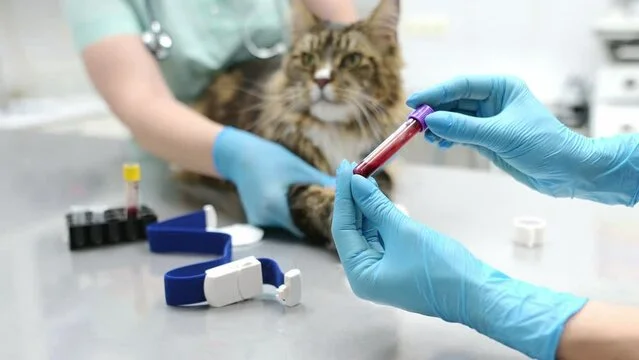
Pet owners in East York and surrounding Toronto communities benefit from our dual-layer diagnostic approach: rapid in-house screening for immediate answers, supplemented by reference lab testing when deeper analysis is required for accurate diagnosis and targeted treatment.
What Is Reference Laboratory Testing
Reference laboratories are specialized facilities staffed by board-certified veterinary pathologists, clinical chemists, and microbiologists. They perform complex diagnostic analyses that require advanced instrumentation, specialized reagents, and expert interpretation beyond what a clinic-based in-house lab can provide.
Reference testing does not replace in-house diagnostics — the two work together. In-house testing provides the rapid screening and immediate answers needed for same-day clinical decisions. When those results reveal abnormalities or ambiguities requiring deeper investigation, reference lab testing provides the definitive analysis needed to confirm a diagnosis and guide precise treatment.
Tests Performed by Reference Laboratories
Blood Chemistry and Organ Function Panels
Comprehensive chemistry panels evaluate liver function (ALT, ALP, bilirubin), kidney function (BUN, creatinine, SDMA), pancreatic markers, protein levels, cholesterol, and glucose. Reference labs offer expanded panels with higher sensitivity than standard in-house analyzers, making them especially valuable for early-stage disease detection and monitoring chronic conditions.
Thyroid and Hormone Testing
Endocrine panels assess thyroid function (T4, free T4, TSH), adrenal function (cortisol, ACTH stimulation), and reproductive hormones. These tests are essential for diagnosing hypothyroidism, hyperthyroidism, Cushing’s disease, Addison’s disease, and other hormonal imbalances that affect metabolism, energy, coat quality, and organ function.
Histopathology and Cytology
When tissue samples, biopsies, or aspirates are collected during surgery or examination, reference labs analyze them at the cellular level. Histopathology identifies tumor type, grade, and margin status — critical information for determining treatment protocols and prognosis for pets with cancer or suspicious growths.
Culture and Sensitivity Testing
Bacterial and fungal cultures identify the specific organism causing an infection, and sensitivity testing determines which antibiotics or antifungals will be most effective against it. This targeted approach prevents the overuse of broad-spectrum antibiotics and ensures your pet receives the most appropriate treatment for their specific infection.
Infectious Disease Panels
Specialized PCR and serology panels detect infectious diseases including leptospirosis, ehrlichiosis, anaplasmosis, feline immunodeficiency virus (FIV), feline leukemia virus (FeLV), and tick-borne diseases. These tests are particularly important for pets with unexplained symptoms, recent tick exposure, or unknown medical histories.
When Reference Testing Is Recommended
Our veterinarians recommend reference laboratory testing when in-house screening reveals abnormal values requiring deeper analysis, when tissue or fluid samples need pathological evaluation, when a suspected infection requires culture and sensitivity mapping, when endocrine disorders need comprehensive hormone profiling, when pre-treatment staging is needed for cancer or complex disease, and when monitoring ongoing treatment response for chronic conditions.
What to Expect
Sample collection follows the same gentle process as in-house testing — blood draws, urine collection, tissue aspirates, or biopsy specimens are obtained at our clinic and securely shipped to the appropriate reference laboratory. Most results are returned within 24–72 hours, though specialized tests such as histopathology may take longer.
Our veterinarian reviews every result with you in clear language, explains findings, and discusses treatment options. You receive a written summary and updated care plan.
Benefits of Reference Lab Partnerships
Partnering with IDEXX, Antech, and VARL ensures access to the highest-quality diagnostic analysis available in veterinary medicine. These laboratories maintain rigorous quality control standards, employ board-certified specialists, and use advanced instrumentation that delivers the precision needed for complex cases. Combined with our in-house diagnostic capabilities, this layered approach means your pet benefits from both speed and depth in every diagnostic workup.
Frequently Asked Questions
What is reference laboratory testing and when is it needed?
Reference labs provide specialized diagnostic analysis beyond routine in-house screening — including histopathology, hormone profiling, bacterial cultures, and sensitivity testing. Your pet may need reference testing when initial bloodwork reveals abnormalities, when tissue samples require pathological evaluation, or when targeted antibiotic selection is necessary for a confirmed infection. We partner with IDEXX, Antech, and VARL for these advanced analyses.
How long do reference lab results take?
Most results are returned within 24–72 hours depending on the specific test. Some specialized analyses such as histopathology or complex culture testing may take longer. Our team contacts you promptly once results are available to discuss findings, explain next steps, and adjust your pet’s treatment plan if needed. We never leave you waiting without communication or updates.
Are reference lab tests more expensive than in-house tests?
Reference testing typically costs more due to the specialized analysis, equipment, and expertise involved. However, these tests provide critical diagnostic detail that routine screening cannot — including tissue-level pathology, antibiotic sensitivity mapping, and advanced hormone profiling. We always explain costs, reasoning, and alternatives before ordering any test. Financing through Trupanion and Petcard by iFinance is available.
Can reference lab testing detect cancer?
Yes. Histopathology analysis of tissue samples, aspirates, and biopsies can identify cancerous cells, classify tumor types, determine surgical margin status, and guide treatment decisions. Reference labs also detect autoimmune conditions, endocrine disorders, and infectious diseases at levels of detail not possible with in-house screening alone. Early detection through advanced testing improves treatment options and outcomes significantly.
Will my veterinarian explain the lab results clearly?
Always. Our team reviews every result in plain language, explaining what each finding means for your pet’s health, whether follow-up testing is recommended, and what treatment options are available. You receive a written summary and personalized care plan. For questions after your visit, contact us and our team will follow up with the information you need.
How do I schedule reference lab testing for my pet?
Reference testing is typically ordered by your veterinarian based on clinical findings during an exam or diagnostic workup. To discuss whether your pet needs advanced testing, book an appointment or call (416) 755-8387. Our team will evaluate your pet’s condition and determine the most appropriate diagnostic pathway for accurate answers and effective treatment.