

Veterinary Imaging & Radiology
O’Connor Veterinary Clinic provides in-house veterinary imaging including digital radiography and ultrasound, allowing our team to visualize your pet’s internal structures safely, accurately, and without invasive procedures. On-site imaging eliminates referral delays and enables same-visit diagnosis for a wide range of conditions.
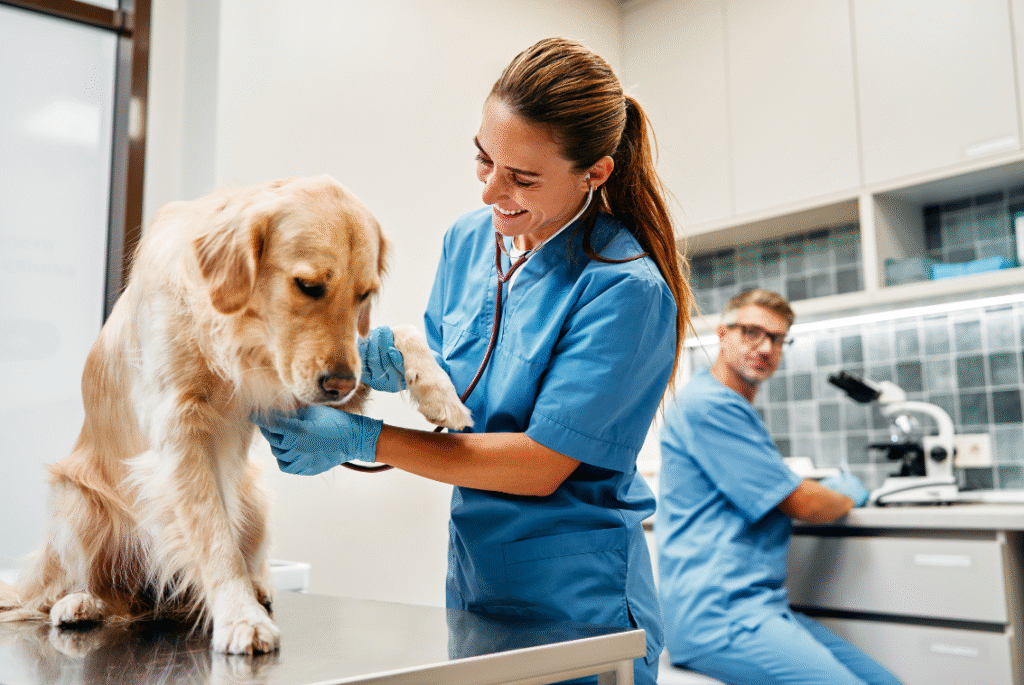
Pet owners searching for pet X-ray near me or veterinary ultrasound in East York rely on our clinic for rapid imaging, expert interpretation, and clear communication about every finding. Our imaging capabilities support wellness screening, pre-surgical planning, emergency diagnostics, and ongoing treatment monitoring.
What Is Veterinary Medical Imaging
Medical imaging uses technology to create detailed pictures of your pet’s internal anatomy — bones, organs, soft tissues, and body cavities — without surgery. It is one of the most valuable diagnostic tools in veterinary medicine, providing information that physical examination and laboratory testing alone cannot reveal.
Our clinic uses two primary imaging modalities: digital radiography (X-rays) and diagnostic ultrasound. Each technology serves different clinical purposes, and they are frequently used together for comprehensive evaluation.
Imaging Modalities
Digital Radiography (X-rays)
Digital X-rays produce high-resolution images of bones, chest cavity, abdomen, and dental structures. They are used to diagnose fractures, joint disease, spinal conditions, heart and lung abnormalities, abdominal organ size and position, foreign body ingestion, and dental disease below the gumline.
Digital technology offers significant advantages over traditional film-based X-rays: higher image quality, lower radiation exposure, instant results, and the ability to enhance, magnify, and share images electronically with referral specialists when needed.
Diagnostic Ultrasound
Ultrasound uses sound waves to produce real-time images of soft tissue structures including the liver, kidneys, spleen, bladder, gastrointestinal tract, and reproductive organs. It is non-invasive, painless, and does not involve radiation.
Ultrasound is particularly useful for evaluating organ architecture, detecting fluid accumulation, identifying masses or cysts, guiding needle aspirations, monitoring pregnancy, and assessing blood flow in real time. It complements radiography by providing soft tissue detail that X-rays cannot capture.
Conditions Diagnosed Through Imaging
Veterinary imaging helps diagnose a broad range of conditions including bone fractures and orthopedic injuries, joint disease and arthritis, heart enlargement and cardiac conditions, lung disease and pleural effusion, abdominal masses and organ abnormalities, bladder stones and urinary obstructions, gastrointestinal foreign bodies, pregnancy confirmation and fetal assessment, spinal disc disease, and dental pathology below the gumline.
Many of these conditions present with non-specific symptoms — lethargy, appetite changes, or intermittent pain — making imaging essential for accurate diagnosis and appropriate treatment planning.
What to Expect During Imaging
Most imaging procedures are quick, non-invasive, and well-tolerated. Your pet is positioned on the imaging table by trained veterinary technicians using gentle handling techniques. X-rays take seconds to capture, and results appear on screen immediately. Ultrasound exams typically take 15–30 minutes depending on the area being evaluated.
Some patients — particularly those in pain, highly anxious, or requiring precise positioning — may benefit from light sedation to ensure image quality and minimize stress. Our team evaluates each patient individually and discusses sedation options with you before proceeding.
After imaging, our veterinarian reviews the results with you in plain language, explains what the images reveal, and discusses recommended next steps.
Imaging in Emergency Situations
Our emergency and urgent care team has immediate access to all imaging equipment for rapid assessment during critical situations. Trauma, breathing difficulties, suspected foreign body ingestion, acute abdominal pain, and sudden collapse all benefit from fast imaging. In emergencies, the ability to visualize internal conditions within minutes can be the difference between timely intervention and a delayed response.
Benefits of On-Site Imaging
Having imaging available in-house eliminates the need for external referrals, reduces the number of visits your pet requires, speeds up diagnosis and treatment initiation, and allows our veterinarians to correlate imaging findings with physical exam and lab results in real time.
For pet owners in East York, Scarborough, and the greater Toronto area, our in-house imaging means your pet receives a complete diagnostic workup — from exam to X-ray to treatment plan — all in a single visit.
Frequently Asked Questions
Does my pet need sedation for X-rays or ultrasound?
Most imaging procedures are non-invasive and well-tolerated without sedation. However, some anxious or painful patients may need light sedation to ensure accurate positioning and clear image quality. Our team evaluates each pet individually and discusses sedation options with you before proceeding. Pet comfort and safety are always prioritized during every diagnostic imaging session at our East York veterinary clinic.
What conditions can veterinary imaging detect?
Digital X-rays and ultrasound help diagnose fractures, joint disease, tumors, heart enlargement, fluid accumulation in the chest or abdomen, bladder stones, internal obstructions, organ abnormalities, and pregnancy. Imaging is also critical for pre-surgical planning and monitoring treatment response over time. It gives our team a clear internal view without invasive procedures — saving your pet stress and recovery time.
How is digital X-ray different from traditional X-ray?
Digital radiography produces higher-resolution images with significantly less radiation exposure compared to traditional film-based X-rays. Results appear on screen instantly, eliminating processing time and allowing faster diagnosis and treatment decisions. Digital images can also be magnified, enhanced, and shared electronically with referral specialists when a second opinion or specialized consultation is needed for complex cases.
Can imaging be done during an emergency visit?
Yes. Our emergency team has immediate access to all imaging equipment for trauma assessment, breathing difficulties, suspected poisoning, internal obstruction evaluation, and other urgent situations. Rapid imaging during emergencies allows our veterinarians to identify life-threatening conditions quickly and begin treatment without delay. Call (416) 755-8387 if your pet needs urgent diagnostic imaging near me in East York.
How do I schedule an imaging appointment?
You can book online or call (416) 755-8387 to schedule. In many cases, imaging is performed during a wellness exam or diagnostic workup and doesn’t require a separate appointment. If your veterinarian recommends imaging as part of a treatment plan, our team coordinates scheduling to minimize visits and keep your pet’s care efficient and convenient.
Will my veterinarian explain the imaging results to me?
Always. Our team reviews every image with you in clear, plain language — pointing out findings on screen and explaining what they mean for your pet’s health. You receive a summary of findings and a recommended care plan. For questions after your visit, contact us and our team will follow up with the information you need.