
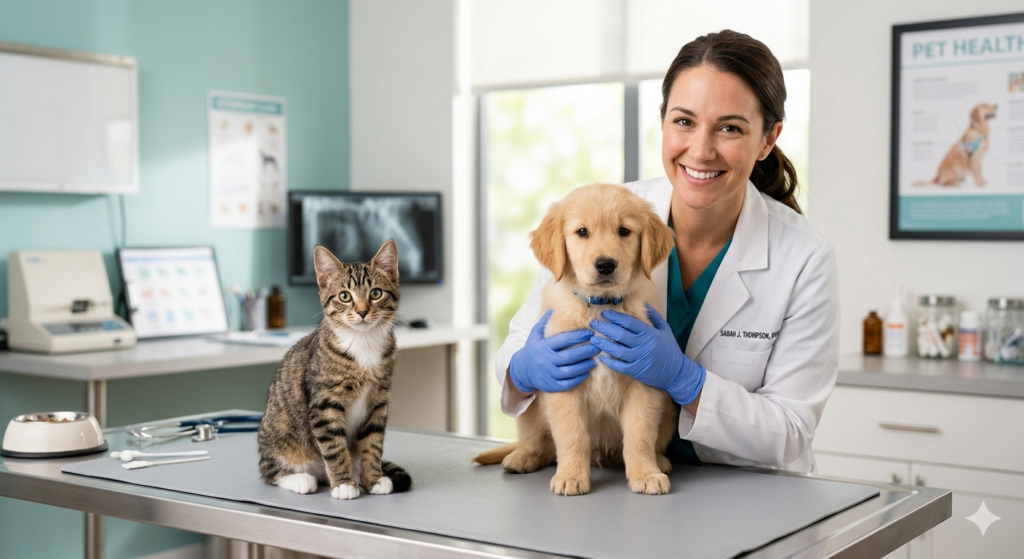

Understanding the puppy and kitten vaccination schedule in Ontario is one of the most important responsibilities you take on the moment you bring a new pet home. Vaccines are not optional extras or something to figure out later. They are the single most effective medical tool available for preventing serious, often fatal diseases in young animals during the most vulnerable period of their lives. At O’Connor Veterinary Clinic, we walk new pet owners through every step of this process, from that first nervous visit with an eight-week-old puppy to the final booster that completes the initial series.
This guide covers the full vaccination timeline for both puppies and kittens in Ontario, explains the difference between core and non-core vaccines, breaks down what Ontario law requires, and answers the questions we hear most often from pet owners across East York and the surrounding Toronto neighbourhoods.
Why the Puppy and Kitten Vaccination Schedule in Ontario Deserves Your Full Attention
New pet owners sometimes underestimate how urgently the vaccination clock starts ticking. Puppies and kittens are born with temporary immune protection passed from their mother through colostrum during nursing. This maternal immunity begins to fade between six and eight weeks of age, and by sixteen to twenty weeks, most young animals have lost that passive protection entirely.
The gap between declining maternal antibodies and the development of vaccine-induced immunity is the period of highest risk. During those weeks, unvaccinated puppies are vulnerable to parvovirus, distemper, and adenovirus. Unvaccinated kittens face threats from panleukopenia, calicivirus, and feline herpesvirus. These are not rare, exotic diseases. They circulate actively in environments where unvaccinated animals gather, including shelters, boarding facilities, dog parks, and even veterinary waiting rooms.
The vaccination schedule exists specifically to close that immunity gap as quickly and safely as possible, using a series of doses timed to build reliable protection regardless of when maternal antibodies fade.
Core Vaccines Every Puppy in Ontario Needs
Core vaccines are considered essential for all puppies regardless of breed, lifestyle, or living situation. They protect against diseases that are widespread, highly contagious, and carry significant mortality risk.
DHPP (Distemper, Hepatitis, Parainfluenza, Parvovirus)
This combination vaccine, sometimes labelled DA2PP, is the cornerstone of puppy immunization. Each component targets a specific threat.
Canine distemper attacks the respiratory, gastrointestinal, and nervous systems. It spreads through airborne droplets and has no cure once clinical signs develop. Mortality rates in unvaccinated puppies can exceed 50%.
Canine parvovirus is extraordinarily resilient in the environment and causes severe, bloody diarrhea, vomiting, and dehydration. Without aggressive treatment, parvo kills the majority of infected puppies. The virus can survive on surfaces for months.
Adenovirus type 2 (hepatitis) causes liver inflammation and can lead to organ failure. Parainfluenza contributes to respiratory infections commonly seen in dogs exposed to group settings.
Rabies
Under Ontario Regulation 567 of the Health Protection and Promotion Act, all dogs three months of age and older must be vaccinated against rabies. This is not a recommendation. It is provincial law, and non-compliance can result in fines and legal consequences if a bite incident occurs. Rabies is a fatal viral disease that affects the nervous system and poses a direct risk to human health.
Core Vaccines Every Kitten in Ontario Needs
Kittens follow a similar pattern of core vaccination, though the specific diseases differ from those affecting dogs.
FVRCP (Feline Viral Rhinotracheitis, Calicivirus, Panleukopenia)
This combination vaccine protects against the three most significant viral threats to cats.
Feline panleukopenia, sometimes called feline distemper, is a highly contagious and often fatal disease that destroys white blood cells and damages the intestinal lining. It is caused by a parvovirus closely related to the canine version and is remarkably persistent in the environment.
Feline herpesvirus (rhinotracheitis) causes upper respiratory infections with sneezing, nasal discharge, and eye inflammation. Once infected, cats carry the virus for life and can experience recurring flare-ups during periods of stress.
Calicivirus also targets the respiratory system and can cause painful oral ulcers, pneumonia, and in some strains, systemic disease affecting multiple organs.
Rabies
The same Ontario law that mandates rabies vaccination for dogs applies equally to cats. All cats three months of age and older must receive rabies vaccination, regardless of whether they live indoors or outdoors. The College of Veterinarians of Ontario reinforces that this requirement applies province-wide with no exceptions for indoor-only cats.
The Complete Puppy Vaccination Timeline
The following schedule reflects current veterinary guidelines for dog vaccinations in Ontario. Your veterinarian may adjust timing slightly based on your puppy’s individual health status, breed, and risk factors.
| Age | Vaccine | Type |
|---|---|---|
| 6 to 8 weeks | DHPP (first dose) | Core |
| 8 to 10 weeks | Bordetella, Leptospirosis (first dose, if recommended) | Non-core |
| 10 to 12 weeks | DHPP (second dose), Lyme disease (first dose, if recommended) | Core + Non-core |
| 14 to 16 weeks | DHPP (third dose), Rabies (first dose), Leptospirosis (second dose, if applicable) | Core + Non-core |
| 1 year | DHPP booster, Rabies booster, Leptospirosis booster | Core + Non-core |
| Every 1 to 3 years | DHPP, Rabies, plus lifestyle vaccines as recommended | Maintenance |
The three-dose DHPP series is essential because no single injection can reliably overcome maternal antibody interference. By giving doses at intervals, the schedule ensures that at least one dose reaches the puppy’s immune system at the right time to trigger a lasting protective response.
For pet owners searching for a puppy vaccine in East York, we offer the full core and lifestyle vaccine series as part of our comprehensive wellness visits. Each appointment includes a physical examination, weight check, and a discussion about parasite prevention, nutrition, and developmental milestones.
The Complete Kitten Vaccination Timeline
Kitten vaccination follows a parallel structure, with timing adapted to the specific vaccines involved.
| Age | Vaccine | Type |
|---|---|---|
| 6 to 8 weeks | FVRCP (first dose) | Core |
| 10 to 12 weeks | FVRCP (second dose), FeLV (first dose, if recommended) | Core + Non-core |
| 14 to 16 weeks | FVRCP (third dose), Rabies (first dose), FeLV (second dose, if applicable) | Core + Non-core |
| 1 year | FVRCP booster, Rabies booster | Core |
| Every 1 to 3 years | FVRCP, Rabies, plus lifestyle vaccines as needed | Maintenance |
The American Association of Feline Practitioners (AAFP) now recommends that all kittens receive FeLV vaccination during their initial series, even if they are expected to remain indoors. The reasoning is straightforward: kittens are most susceptible to feline leukemia at a young age, and living situations can change. A kitten intended for indoor life may eventually escape, be rehomed, or share space with a cat of unknown status.
For families looking for a kitten vaccine in East York, scheduling the first appointment between six and eight weeks of age sets the foundation for a complete and well-timed series.
Core vs. Non-Core Vaccines: What Your Vet Considers
The distinction between core and non-core vaccines is not about importance. It is about universality versus individualized risk.
Core vaccines protect against diseases that every pet is likely to encounter, that carry high mortality or morbidity, and that in some cases (rabies) pose a risk to human health. Every puppy and every kitten in Ontario should receive core vaccines without exception.
Non-core vaccines are recommended based on a pet’s specific risk profile. Your veterinarian evaluates factors including geographic location, exposure to wildlife, time spent outdoors, contact with other animals, boarding or daycare use, and travel plans. Common non-core vaccines include:
For dogs:
- Bordetella (kennel cough): Recommended for dogs that attend daycare, boarding, grooming, or training classes. Many facilities require it.
- Leptospirosis: Recommended for dogs exposed to wildlife habitats, stagnant water, or rural environments. Leptospirosis is a bacterial infection that also poses zoonotic risk to humans. In the East York and Greater Toronto Area, raccoons, skunks, and rats can carry the bacteria.
- Lyme disease: Recommended for dogs in areas with high tick activity. Lyme-carrying blacklegged ticks are well established across southern Ontario.
For cats:
- FeLV (Feline Leukemia Virus): Core for kittens, non-core for adult cats depending on lifestyle. Essential for cats that go outdoors or live in multi-cat households.
- Chlamydia: Occasionally recommended for cats in shelters or multi-cat environments where upper respiratory infections are common.
The decision about which non-core vaccines your pet needs happens during the pet wellness exam, where your veterinarian reviews your pet’s lifestyle, environment, and health history before making specific recommendations.
Rabies Vaccination in Ontario: What the Law Actually Requires
Rabies law in Ontario is clear. Under the Health Protection and Promotion Act, Ontario Regulation 567, all dogs, cats, and ferrets 12 weeks of age or older must be vaccinated against rabies by a veterinarian licensed in Ontario. Booster schedules follow manufacturer guidelines, typically every one to three years depending on the product used.
Ontario is not rabies-free. Wildlife reservoirs, particularly raccoons, skunks, foxes, and bats, maintain the virus across the province. Southwestern Ontario experienced a significant raccoon variant rabies outbreak beginning in 2015, with over 500 confirmed cases in wildlife and domestic animals documented through 2023.
Under Ontario Regulation 567, all dogs and cats three months of age or older must be vaccinated against rabies. Non-compliance is a provincial offence, and unvaccinated animals involved in bite incidents face mandatory quarantine or destruction for testing.
Even if your cat never steps outside, the law applies. Bats can enter homes through small openings, and indoor cats have been documented contracting rabies from bat encounters in Ontario. The legal and medical consequences of an unvaccinated pet biting a person are severe, regardless of the circumstances.
What to Expect After Your Pet’s Vaccination Appointment
Most puppies and kittens tolerate vaccines very well. Mild side effects are normal and typically resolve within 24 to 48 hours. Common post-vaccination responses include slight lethargy or reduced appetite, mild soreness or swelling at the injection site, and a low-grade fever.
These are signs that the immune system is responding to the vaccine, not signs of illness. In the vast majority of cases, no treatment is needed.
Serious adverse reactions are rare but can occur. Signs that warrant immediate veterinary attention include facial swelling (particularly around the eyes and muzzle), hives or raised welts on the skin, persistent vomiting or diarrhea, difficulty breathing, and collapse or extreme weakness. If your pet shows any of these signs after vaccination, contact an emergency vet near me immediately.
Your veterinarian will provide post-vaccination monitoring instructions at each appointment and may recommend a brief observation period in the clinic after the injection, particularly for pets receiving their first vaccines.
Building Lifelong Protection Beyond the Initial Series
The puppy and kitten vaccination series is the foundation, but it is not the finish line. Adult dogs and cats require regular booster vaccinations to maintain immunity throughout their lives. The specific booster schedule depends on the vaccine type, the product used, and your pet’s individual risk profile.
Most core vaccines shift to a one-to-three-year booster cycle after the initial puppy or kitten series and the one-year booster. Your veterinarian determines the appropriate interval based on current guidelines from the American Animal Hospital Association (AAHA) and the AAFP, combined with your pet’s health status and lifestyle factors.
Vaccination is just one component of a broader preventive pet care strategy. Regular wellness exams, parasite prevention, dental assessments, and nutritional management all work together to keep your pet healthy across every life stage.
For dogs specifically, Ontario’s parasite landscape adds another layer of prevention to consider alongside vaccination. Heartworm, fleas, and ticks all require separate preventive protocols that run parallel to the vaccine schedule. Our guide on flea and tick prevention for dogs covers the evidence-based options available, and our overview of parasite risks for dogs in Ontario explains how regional climate patterns affect local exposure levels.
Understanding common pet health concerns in East York can also help you recognize early warning signs between vet visits, ensuring that any emerging issue gets addressed before it becomes serious.
Frequently Asked Questions
-
Can my puppy go outside before completing the full vaccination series?
Limited outdoor exposure is possible, but with caution. Until the final DHPP booster at 14 to 16 weeks, puppies remain vulnerable to parvovirus and distemper in environments where infected dogs have been. Avoid dog parks, pet stores, and high-traffic areas where vaccination status of other animals is unknown. Controlled socialization in clean, private yards with vaccinated dogs is generally considered safe and is important for behavioural development during this critical window.
-
Are indoor cats really required to get rabies shots in Ontario?
Yes. Ontario Regulation 567 mandates rabies vaccination for all cats three months of age and older, regardless of indoor or outdoor lifestyle. Bats can enter homes undetected and are a documented source of rabies transmission to indoor cats in Ontario. Beyond the legal requirement, an unvaccinated cat involved in any bite incident faces mandatory quarantine, which is stressful for both the animal and the owner. Vaccination eliminates this risk entirely.
-
How many vaccine appointments will my new puppy or kitten need in the first year?
Most puppies need three to four vaccination visits between six and sixteen weeks of age, followed by a one-year booster appointment. Kittens follow a similar schedule with three core visits plus the one-year booster. The exact number depends on the age at which vaccinations begin, which non-core vaccines are recommended, and whether any doses need to be repeated due to illness or scheduling delays. Your veterinarian will provide a written schedule at the first visit.
-
What happens if I miss a vaccine booster or fall behind schedule?
A delayed booster does not mean starting over from scratch, but it does require veterinary assessment. If only a few weeks have passed, your vet will likely administer the missed dose and adjust the remaining schedule. If a significant gap has occurred, additional doses may be needed to re-establish immunity. The longer the delay, the greater the vulnerability window. Contact your veterinarian as soon as you realize you have fallen behind so they can create a catch-up plan for your pet.
-
Do vaccine side effects differ between puppies and kittens?
Both puppies and kittens may experience mild lethargy, reduced appetite, or localized soreness after vaccination. These responses are normal and typically resolve within one to two days without treatment. Kittens occasionally develop small, firm lumps at the injection site that usually disappear over several weeks. Severe reactions such as facial swelling, difficulty breathing, or vomiting are rare in both species but require immediate veterinary attention if they occur.
-
Is it safe to give multiple vaccines at the same appointment?
Yes. Veterinary guidelines support administering multiple vaccines during a single visit, and this is standard practice in both puppy and kitten vaccination protocols. Combination vaccines like DHPP and FVRCP already contain multiple antigens in one injection, reducing the total number of needle pokes. Your veterinarian spaces vaccines appropriately and monitors for any adverse responses. Giving vaccines at the recommended intervals is safer than delaying doses to avoid multiple injections per visit.
The puppy and kitten vaccination schedule in Ontario is not a complex puzzle, but it does require attention to timing, consistency, and follow-through. Each dose in the series builds on the last, and missing even one can leave your pet unprotected during the weeks when they need it most. With the right veterinary partner and a clear schedule, keeping your new puppy or kitten on track is straightforward.
This blog is for educational purposes only and does not replace professional veterinary advice. If you have questions about your pet’s vaccination schedule or need to start or catch up on vaccines, consult your veterinarian for a personalized plan.