
The call came at 11:30 PM on a cold February night. A panicked dog owner from Leslieville had just watched her Labrador swallow an entire package of chocolate chip cookies, wrapper included. She needed help immediately but didn’t know where to turn. This scenario plays out across Toronto every night, reminding us that pet emergencies rarely follow convenient schedules.
As pet parents, we’d do anything to protect our companions from harm. Yet many Toronto families find themselves unprepared when emergencies strike, unsure how to recognize serious symptoms, uncertain where to seek care, and unfamiliar with basic first aid that could save their pet’s life. This comprehensive guide equips you with the knowledge and resources needed to respond effectively when every minute counts.
At O’Connor Veterinary Clinic, we’ve handled countless emergency situations throughout our years serving East York and the greater Toronto area. We’ve learned that prepared pet parents make better decisions under pressure, act more quickly, and ultimately achieve better outcomes for their beloved companions.
Understanding What Constitutes a True Pet Emergency
Not every concerning symptom requires midnight trips to an emergency pet clinic Toronto. However, certain situations always demand immediate veterinary attention. Learning to distinguish between urgent concerns and true emergencies helps you respond appropriately while avoiding unnecessary panic.
Life-Threatening Emergencies Requiring Immediate Action
Some conditions can deteriorate within minutes or hours without intervention. These situations never wait until morning and should prompt immediate contact with emergency veterinary services:
Difficulty breathing or gasping for air represents one of the most critical emergencies. Pets struggling to breathe may extend their necks, breathe with open mouths, show blue-tinged gums, or make distressed sounds. Respiratory emergencies can result from choking, allergic reactions, heart failure, trauma, or airway obstructions.
Severe bleeding that doesn’t stop with direct pressure for five minutes requires emergency care. While minor cuts may heal with home treatment, arterial bleeding or deep lacerations need professional wound management to prevent shock and infection.
Seizures lasting longer than five minutes or multiple seizures occurring within hours constitute emergencies. While single brief seizures may not require immediate intervention, prolonged or clustered seizures can cause brain damage and require rapid treatment to stop seizure activity.
Inability to urinate, especially in male cats, represents a life-threatening emergency. Complete urinary obstruction causes toxin buildup that can prove fatal within 24 to 48 hours. Male cats straining in the litter box with little or no urine production need immediate evaluation.
Toxin ingestion demands urgent assessment. Common Toronto household hazards include chocolate, xylitol-containing products, antifreeze, rodenticides, certain plants, and human medications. Time-sensitive treatments exist for many poisonings, but they work best when administered quickly.
Urgent Situations Requiring Prompt Care
Other conditions, while serious, may allow brief assessment periods before seeking care. These situations typically warrant contacting your veterinarian or emergency and urgent pet care facility within hours rather than minutes:
Persistent vomiting or diarrhea, especially with blood, can rapidly cause dehydration. While single episodes may not require emergency treatment, repeated symptoms or signs of dehydration like lethargy and dry gums necessitate veterinary evaluation.
Sudden inability to use hind legs could indicate spinal problems, blood clots in cats, or neurological issues. These conditions require urgent examination but may allow time to arrange transport and contact veterinary services.
Eye injuries or sudden vision loss demand prompt attention to preserve sight. Even seemingly minor eye problems can quickly worsen without appropriate treatment.
Severe pain manifested through constant crying, inability to get comfortable, or aggression when touched requires evaluation. While pain itself may not always constitute an emergency, the underlying cause might.
Building Your Pet Emergency Kit
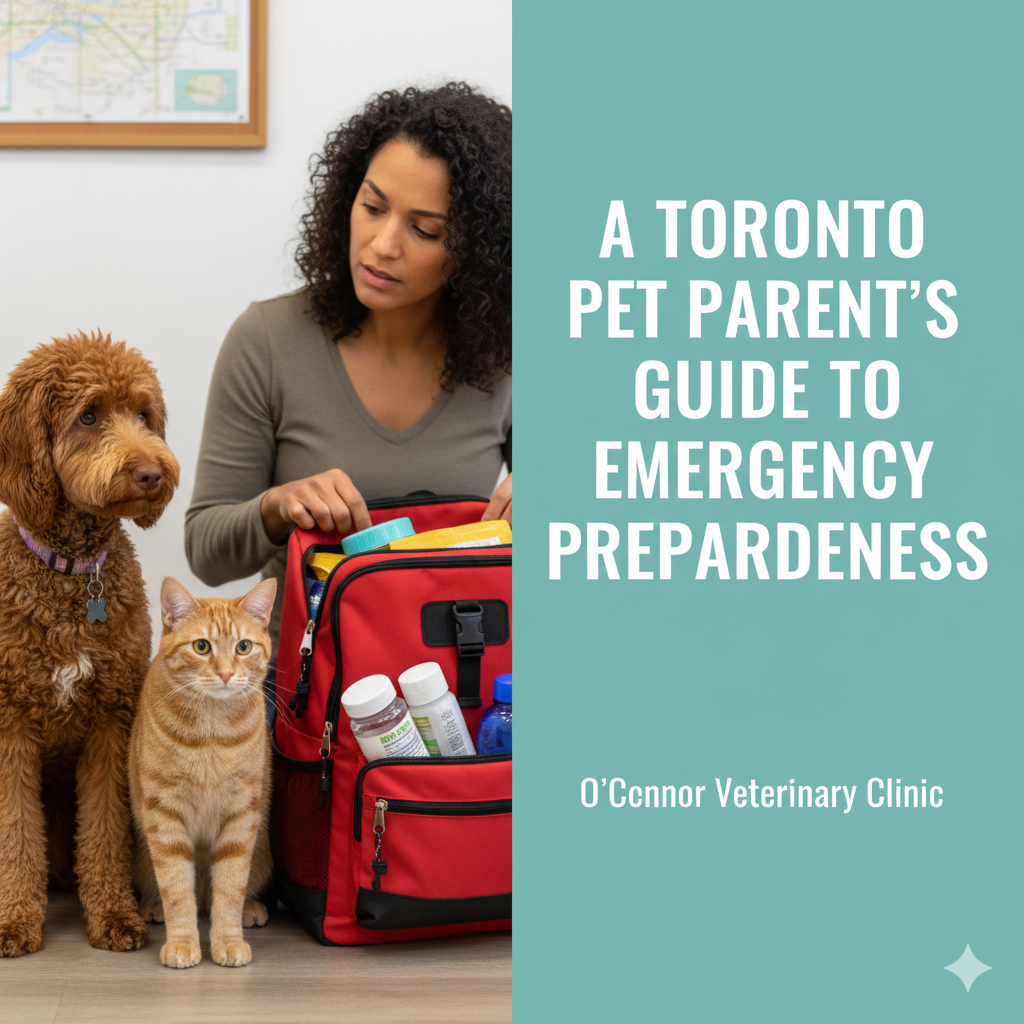
Preparation begins long before emergencies occur. A well-stocked emergency kit ensures you have essential supplies immediately available when crisis strikes. Your kit should include items supporting basic first aid and facilitating transport to veterinary facilities.
Essential Medical Supplies
Every Toronto pet parent should maintain a dedicated emergency kit containing gauze pads and rolls for wound dressing, adhesive tape that sticks to itself without adhering to fur, antiseptic solution for cleaning wounds, and digital thermometer for checking body temperature. Include tweezers for removing splinters or ticks, scissors with blunt ends for cutting bandages safely, and a muzzle or soft cloth strips, as even gentle pets may bite when injured or frightened.
Stock basic medications your veterinarian recommends for your specific pet. Never give human medications without professional guidance, as many prove toxic to animals. Keep activated charcoal on hand only if your veterinarian advises its use, as timing and dosing prove critical with toxin exposure.
Documentation and Contact Information
Emergencies create stress that clouds thinking. Having crucial information compiled beforehand prevents fumbling through papers when minutes matter. Your emergency kit should contain copies of vaccination records, medical history including chronic conditions and medications, and your regular veterinarian’s contact information.
Create a list of emergency veterinary services Toronto locations with phone numbers and addresses. Include our clinic information:
O’Connor Veterinary Clinic 1551 O’Connor Dr, East York, ON M4B 2V7 Phone: +1 416-755-8387 Email: petcare@oconnorveterinaryclinic.ca Hours: Monday, Wednesday-Sunday: 12 PM – 12 AM (Closed Tuesdays)
Also list after-hours referral hospitals for overnight emergencies and Pet Poison Helpline numbers. Having these details accessible eliminates time wasted searching when your pet needs immediate help.
Transport and Restraint Equipment
Safe transport to veterinary facilities requires appropriate equipment. Maintain a secure carrier for cats and small dogs that allows visibility and ventilation. For larger dogs, keep a sturdy leash and collar readily accessible. A blanket or towel serves multiple purposes including warmth for shocked animals, stretcher for injured pets unable to walk, and covering for frightened animals during transport.
First-Aid Guidance for Pet Parents: What You Can Do Before Veterinary Care
Understanding basic first aid empowers you to stabilize your pet during the critical minutes before reaching professional care. However, first aid never replaces veterinary treatment. It simply bridges the gap between emergency onset and professional intervention.
Managing Bleeding
When your pet sustains a wound causing significant bleeding, your immediate goal involves slowing blood loss while preparing for transport. Apply direct pressure using clean gauze or cloth over the wound. Maintain consistent pressure for at least five minutes without peeking, as interrupting pressure restarts bleeding.
If bleeding soaks through the first layer of material, add more layers on top rather than removing saturated dressings. For limb wounds, you can apply pressure bandages, but never so tightly that circulation becomes compromised. Tourniquets require professional skill and should not be attempted by untrained individuals.
Last summer, a German Shepherd named Duke sliced his paw on broken glass during an evening walk through East York’s Taylor Creek Park. His owner immediately applied pressure using a clean t-shirt from her backpack. She maintained pressure during the entire ten-minute drive to our clinic. This quick thinking minimized blood loss and allowed us to suture the wound successfully once Duke arrived.
Responding to Choking
A choking pet requires immediate intervention as they can lose consciousness within minutes. Signs include pawing at the mouth, extreme distress, blue-tinged gums, and difficulty breathing. If your pet can still breathe somewhat, transport them to emergency care immediately without attempting removal, as you might push objects deeper.
For complete obstructions in unconscious pets, lay the animal on their side and perform abdominal thrusts by placing your hands behind the last rib and pushing firmly upward and forward. For small pets, you might be able to carefully sweep the mouth with your finger if you can visualize the object. Never blindly probe, as you risk being bitten or pushing objects deeper.
Stabilizing Suspected Fractures
If you suspect broken bones, your goal involves preventing further injury during transport. Do not attempt to splint fractures yourself unless you’ve received specific training. Incorrect splinting can worsen injuries and cause severe pain.
Instead, minimize movement by keeping the pet calm and still. Small animals can be placed in carriers padded with towels. Larger dogs should be carefully lifted using blankets as stretchers, supporting the entire body. Transport the animal gently, avoiding sudden movements.
Handling Seizures
Witnessing your pet seize can be terrifying, but remaining calm helps you respond appropriately. During a seizure, do not put anything in the pet’s mouth. Despite common myths, animals cannot swallow their tongues, and you risk serious bites to yourself or mouth injuries to your pet.
Clear the area around the seizing animal, removing furniture and objects they might strike. Note the seizure duration, as this information helps veterinarians assess severity. Most seizures resolve within two to three minutes. Once the seizure ends, keep the pet calm and quiet while arranging transport to veterinary care.
If seizures last longer than five minutes or multiple seizures occur close together, this constitutes a true emergency requiring immediate professional intervention. Contact emergency veterinary services Toronto while en route to the clinic.
When and Where to Seek Emergency Care in Toronto
Toronto offers multiple options for after-hours veterinary care, but not all emergencies require the same level of intervention. Understanding the Toronto emergency veterinary landscape helps you choose appropriate care while managing resources effectively.
Urgent Care vs. Emergency Room Services
East side veterinary services like ours at O’Connor Veterinary Clinic provide extended-hour urgent care handling many time-sensitive situations. We’re equipped with rapid diagnostics and triage capabilities, allowing us to evaluate emergency cases, stabilize critical patients, and provide definitive treatment for many urgent conditions.
Our extended hours from noon until midnight six days per week position us to handle evening emergencies that occur after traditional clinic hours but before overnight. We’ve treated countless urgent cases ranging from toxin ingestion and trauma to sudden illness requiring immediate diagnostic workup.
True 24-hour emergency hospitals staff specialists and maintain intensive care units for overnight hospitalization. These facilities handle the most critical cases requiring continuous monitoring, advanced surgical capabilities, or specialty services beyond general practice scope.
Making the Right Choice for Your Situation
When emergencies strike during our operating hours, Monday and Wednesday through Sunday from noon to midnight, contact us first at +1 416-755-8387. Our experienced team can assess your situation over the phone, provide immediate guidance, and prepare for your arrival. This communication allows our staff to ready necessary equipment and ensures the veterinarian has background information before you arrive.
For life-threatening emergencies occurring overnight Tuesday when we’re closed or during overnight hours other days, we provide after-hours emergency referrals to 24-hour facilities equipped for critical care. Our outgoing message includes referral information, ensuring you can access help even when our clinic is closed.
What to Expect During Emergency Visits
Understanding the emergency visit process reduces anxiety during stressful situations. Upon arrival at any emergency facility, staff will perform initial triage assessing your pet’s vital signs and condition severity. This triage determines treatment priority, as life-threatening cases receive immediate attention regardless of arrival order.
The veterinarian will conduct a focused examination addressing the emergency condition. Time-sensitive situations require rapid assessment and treatment before comprehensive evaluation. Diagnostic testing may include bloodwork, urinalysis, radiographs, or ultrasound depending on symptoms.
Emergency treatment focuses on stabilization and addressing immediate threats to life. Once stabilized, veterinarians discuss findings, treatment plans, and prognosis with owners. Some cases resolve with emergency treatment and monitoring, while others require hospitalization or referral to specialists.
Common Toronto Pet Emergencies We Treat
Our location in East York and extended hours mean we encounter diverse emergency situations reflecting Toronto’s urban environment. Understanding common local emergencies helps pet parents recognize problems quickly.
Toxin Exposure in Urban Environments
Toronto’s urban setting presents unique toxin risks. Rodenticide exposure occurs year-round but peaks during winter when buildings increase pest control efforts. These poisons cause varied symptoms depending on type, from bleeding disorders to neurological signs to kidney failure.
Antifreeze spills from vehicles prove particularly dangerous in parking areas and streets. Ethylene glycol tastes sweet, attracting pets who lap up puddles. Without rapid treatment, antifreeze causes fatal kidney failure. Early intervention with specific antidotes can save lives, but timing proves critical.
Human medication ingestion remains a leading cause of pet poisoning calls. Common culprits include pain relievers, antidepressants, ADHD medications, and sleep aids. Even small amounts of certain medications can prove toxic to pets. Last year, a curious Beagle named Bailey consumed her owner’s entire prescription of thyroid medication left on a nightstand. Her owners recognized the emergency immediately and rushed her to our clinic within thirty minutes of ingestion. Rapid treatment including inducing vomiting and activated charcoal administration prevented serious complications.
Trauma and Injury
Toronto’s urban environment brings trauma risks from vehicular accidents, falls from balconies or windows, and dog fights at off-leash parks. Trauma cases require rapid assessment for internal injuries, broken bones, and shock.
Even seemingly minor trauma deserves evaluation. A Shih Tzu named Momo jumped from her owner’s third-floor apartment window in Riverdale while investigating a squirrel. She landed on grass and walked away, leading her owner to assume she’d escaped injury. However, persistent rapid breathing prompted a veterinary visit several hours later. Diagnostic imaging revealed a pneumothorax requiring oxygen therapy and monitoring. This case demonstrates why trauma evaluation should never be delayed based on initial apparent normalcy.
Acute Abdominal Conditions
Gastric dilatation-volvulus, commonly called bloat, represents a life-threatening emergency affecting deep-chested large breed dogs. The stomach fills with gas and twists, cutting off blood supply and preventing gas escape. Without emergency surgery, affected dogs die within hours.
Signs include unproductive retching, distended abdomen, restlessness, and rapid deterioration. Owners of at-risk breeds should familiarize themselves with bloat symptoms and have emergency plans prepared, as minutes matter in these cases.
Intestinal obstructions from foreign bodies also create surgical emergencies. Cats commonly ingest string, ribbon, or tinsel, while dogs eat toys, socks, bones, and various other items. Complete obstructions prevent food and water passage, causing severe vomiting, pain, and life-threatening complications without surgical removal.
The Critical First Hour: What Happens at Our Clinic
When you arrive at oconnor veterinary clinic with an emergency, our trained team springs into action with protocols honed through years of experience. Understanding our process helps you know what to expect during those stressful initial moments.
Triage and Rapid Assessment
Our staff performs immediate triage upon arrival, assessing breathing, circulation, and consciousness level. Critical patients receive immediate intervention before any paperwork or payment discussions. Stabilizing life-threatening conditions always takes priority over administrative tasks.
For less critical cases, brief intake allows us to understand the situation before examination. We ask focused questions about symptom onset, possible toxin exposure, pre-existing conditions, and current medications. This information guides our diagnostic approach and helps identify life-threatening conditions requiring immediate attention.
Rapid Diagnostics and Triage Capabilities
Our clinic maintains comprehensive in-house diagnostic equipment allowing rapid assessment without delays inherent in sending tests elsewhere. Complete blood count and chemistry panels provide vital information about organ function, hydration status, infection, and metabolic derangements within minutes.
Digital radiography enables immediate visualization of fractures, foreign bodies, free air or fluid in body cavities, and organ abnormalities. Ultrasound capabilities allow assessment of internal organs, detection of fluid accumulations, and evaluation of heart function.
These diagnostic capabilities mean we can rapidly identify problems and begin appropriate treatment without wasting precious time. In many emergency situations, rapid diagnosis literally makes the difference between life and death.
Treatment and Stabilization
Once we’ve identified the problem, treatment begins immediately. Intravenous catheter placement allows fluid therapy to address shock and dehydration while providing vascular access for emergency medications. Oxygen therapy supports pets with respiratory compromise. Pain management ensures patient comfort while we address underlying problems.
Many emergency cases stabilize with supportive care and monitoring at our facility. Others require surgical intervention or transfer to 24-hour hospitals for overnight monitoring. We communicate clearly with owners about expectations, treatment options, and prognosis throughout the process.
Creating Your Family Emergency Action Plan
Beyond assembling supplies and learning first aid, every Toronto pet-owning household needs a clear emergency action plan. When crisis strikes, predetermined plans eliminate confusion and enable rapid, coordinated responses.
Assigning Responsibilities
In multi-person households, designate specific emergency roles. One person transports the pet while another contacts the veterinary clinic providing details about the situation. Someone remains home to care for other pets and children who cannot accompany the emergency trip.
Discuss these assignments before emergencies occur. Everyone should know their role, reducing chaos when time matters. Single-person households should identify neighbors or friends who could assist in emergencies, exchanging keys and authorization to act on your behalf if you’re incapacitated.
Route Planning and Alternatives
Know the fastest route from your home to the nearest emergency veterinary facilities. Save these locations in your phone’s map application for quick navigation access. Identify alternative routes in case of traffic or construction, particularly important in Toronto where road conditions change frequently.
If you rely on public transportation, understand limitations during pet emergencies. While Toronto’s TTC allows service animals, policies regarding pets in carriers vary. Emergency situations may require taxi services, ride-sharing, or calling friends for transport assistance.
Financial Preparedness
Emergency veterinary care can be expensive, and financial concerns should never prevent life-saving treatment. Explore options before emergencies force rushed decisions under pressure. Pet insurance covers many emergency situations, though policies vary in coverage details, deductibles, and exclusions.
Third-party financing through services like Petcard provides payment plans for emergency care. Some veterinary clinics offer in-house payment arrangements. Establishing a dedicated pet emergency fund, even modest monthly contributions, builds resources available when needed.
Discuss financial constraints honestly with veterinary staff. While we cannot provide free services, we work with families to identify treatment options within budget constraints that still address critical needs.
Special Considerations for Different Life Stages
Emergency preparedness needs vary based on your pet’s age and health status. Tailoring your approach ensures appropriate response to stage-specific emergencies.
Puppies and Kittens
Young animals face unique emergency risks. Hypoglycemia affects small breed puppies and kittens who miss meals. Foreign body ingestion occurs frequently as curious youngsters explore their world by mouth. Infectious diseases like parvovirus in unvaccinated puppies constitute emergencies requiring isolation and intensive supportive care.
Young animals dehydrate quickly and deteriorate faster than adults. Symptoms requiring immediate attention in adults become critical emergencies in pediatric patients. Maintain closer observation and lower thresholds for seeking care with young pets.
Senior Pets
Older animals face increased emergency risks from underlying health conditions. Heart disease can cause sudden respiratory distress. Kidney failure may manifest as acute crisis after gradual decline. Cancer can lead to internal bleeding or organ failure.
Senior pet owners should maintain current baseline bloodwork and understand their pet’s pre-existing conditions. This knowledge helps distinguish new emergencies from chronic problems and provides veterinarians with crucial comparison values during emergency evaluation.
Pets with Chronic Conditions
Animals with diabetes, heart disease, kidney failure, or other chronic conditions require specialized emergency preparedness. Understand warning signs indicating your pet’s condition is decompensating. Keep current medication lists and medical records accessible.
Discuss emergency protocols with your regular veterinarian before crises occur. Some chronic conditions require specific emergency treatments that general practitioners should know about when you arrive for urgent care.
Frequently Asked Questions About Pet Emergencies
-
How do I know if my pet’s symptoms constitute a real emergency?
Trust your instincts as a pet parent. If you feel something is seriously wrong, seek evaluation. Better to have minor concerns checked than delay with true emergencies. Specific signs always warrant immediate care including difficulty breathing, inability to stand, seizures, severe bleeding, suspected poisoning, and straining to urinate without producing urine. When uncertain, call us at +1 416-755-8387 for phone assessment and guidance.
-
Should I try to treat my pet at home first or go directly to emergency care?
For true emergencies involving life-threatening symptoms, proceed directly to veterinary care while someone else calls ahead. Basic first aid like controlling bleeding or preventing further toxin ingestion can be performed while arranging transport. Never delay seeking professional help to attempt extensive home treatment for serious conditions.
-
What if I can’t afford emergency veterinary care?
Discuss financial constraints honestly with veterinary staff. We work with families to prioritize essential treatments and explore payment options. Third-party financing, pet insurance, and sometimes payment plans can make emergency care accessible. Some charitable organizations assist with veterinary costs in specific situations.
-
Can I give my pet human medications while waiting to reach the vet?
No. Many human medications prove toxic to pets, and improper dosing can worsen conditions or interfere with veterinary treatment. Never administer any medication without specific veterinary guidance. Focus instead on safe transport and basic first aid until professional care is available.
-
What should I do if my pet needs emergency care when O’Connor Veterinary Clinic is closed?
We provide extended hours six days per week until midnight to handle many urgent situations. For overnight emergencies or situations occurring on Tuesdays when we’re closed, our voicemail message provides after-hours emergency referrals to 24-hour facilities in the Toronto area. Save this information in advance so you can access it quickly during emergencies.
-
How can I prepare my pet for emergency situations to make treatment easier?
Regular handling and training help pets accept restraint during emergencies. Practice examining paws, ears, and mouth when your pet is calm. Teach commands like “stay” and “leave it” that could prevent emergencies or aid treatment. Maintain current identification tags and microchip registration ensuring lost pets during emergencies can be reunited with families.
Prevention: Your First Line of Defense
While comprehensive emergency preparedness proves essential, preventing emergencies altogether represents the best strategy. Many common emergencies are entirely avoidable through proactive measures.
Pet-proof your home thoroughly, securing medications, toxic foods like chocolate and xylitol-containing products, household chemicals, and small objects that could be swallowed. Use baby gates to block access to stairs for pets with mobility issues. Secure windows and balcony doors, particularly in high-rise buildings.
Regular preventive wellness care identifies health problems before they become emergencies. Annual or bi-annual examinations with appropriate screening tests detect conditions early when treatment proves most effective and least invasive.
Maintain current vaccinations protecting against preventable diseases. Follow parasite prevention protocols recommended for Toronto’s environment. Keep your pet at healthy weight, as obesity increases risks for multiple health conditions.
Supervise pets appropriately based on their tendencies. Dogs with histories of eating inappropriate items require closer monitoring. Cats who venture outdoors face increased trauma risks. Understanding your specific pet’s risk factors allows targeted prevention strategies.
Taking Action Today
Emergency preparedness isn’t something to postpone until crisis strikes. Take action today to protect your beloved companion. Assemble your emergency kit this week, gathering supplies and documentation while circumstances allow calm, thorough preparation.
Review this guide with all household members, ensuring everyone understands how to recognize emergencies and what actions to take. Program emergency contact numbers into your phone, including our clinic at +1 416-755-8387 and after-hours referral facilities.
Schedule a preventive wellness examination if your pet hasn’t been evaluated recently. Discuss emergency protocols relevant to your pet’s specific health status and risk factors with your veterinarian.
At o’connor medical clinic for pets, we’re here to support Toronto pet parents through both preventive care and emergency crises. Our extended hours, comprehensive diagnostic capabilities, and experienced team provide the emergency and urgent pet care your family needs when situations turn critical.
Your preparation today could save your pet’s life tomorrow. Don’t wait for emergencies to force rushed decisions under pressure. Take control now, building knowledge, resources, and plans that protect your companion when they need you most.
O’Connor Veterinary Clinic serves East York and greater Toronto pet families with comprehensive urgent care services, extended hours, and rapid diagnostic capabilities. Our experienced team provides compassionate emergency treatment combined with the first-aid guidance for pet parents that empowers families to respond effectively during crisis situations.