
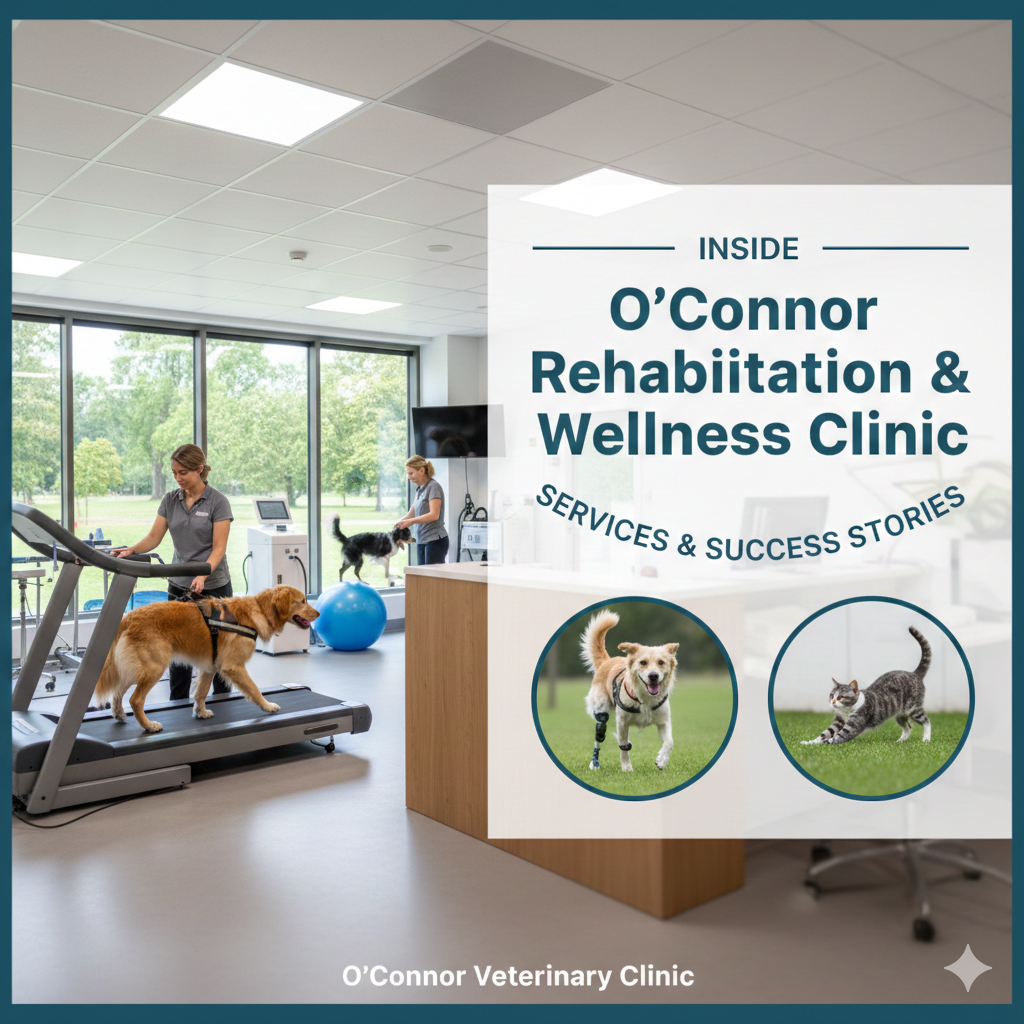
Inside O’Connor Rehabilitation & Wellness Clinic: Services & Success Stories
When your beloved companion faces mobility challenges, chronic pain, or needs support after surgery, finding the right care can feel overwhelming. At O’Connor Veterinary Clinic, we understand that your pet’s recovery journey deserves more than standard treatment protocols. Our rehabilitation and wellness approach combines evidence-based therapies with compassionate care, helping East York pets regain their quality of life.
Located at 1551 O’Connor Dr in East York, the O’Connor Rehabilitation and Wellness Clinic has become a trusted name among pet owners seeking specialized therapeutic services. Our team recognizes that every animal heals differently, which is why we’ve developed comprehensive treatment plans that address both physical recovery and emotional well-being.
What Sets Our East York Holistic Animal Clinic Apart
Traditional veterinary medicine focuses primarily on diagnosing and treating acute conditions. While this remains essential, we’ve expanded our services to include rehabilitation therapy and integrative wellness programs that support long-term health. This holistic approach has transformed outcomes for countless pets in our community.
The east side veterinary services we provide extend beyond conventional care. Our veterinarians work closely with pet owners to develop customized rehabilitation protocols that consider each animal’s unique medical history, lifestyle, and recovery goals. This personalized attention ensures that whether your dog is recovering from orthopedic surgery or your senior cat needs pain management support, they receive treatment designed specifically for their needs.
Comprehensive Pet Rehabilitation Therapy Services
Post-Surgical Rehabilitation: Supporting Your Pet’s Recovery
Surgery represents just the beginning of your pet’s healing journey. Our post-surgical rehabilitation program helps animals regain strength, mobility, and confidence after procedures ranging from cruciate ligament repairs to spinal surgeries.
Many pet owners don’t realize that structured rehabilitation can dramatically reduce recovery time and improve surgical outcomes. Through controlled exercises, manual therapies, and progressive activity plans, we help minimize scar tissue formation while rebuilding muscle strength. This proactive approach often means the difference between a pet that merely survives surgery and one that thrives afterward.
Consider Max, a seven-year-old Labrador who underwent hip replacement surgery. His owners worried he might never enjoy his beloved walks along the Don River trails again. Through eight weeks of targeted rehabilitation therapy at our clinic, including underwater treadmill sessions and therapeutic exercises, Max not only returned to his walks but showed improved mobility compared to before surgery.
Pain Management & Mobility Support: Restoring Comfort and Function
Chronic pain significantly impacts quality of life, yet many pets suffer silently because they can’t communicate their discomfort. Our pain management and mobility support program employs multiple treatment modalities to address both the symptoms and underlying causes of persistent pain.
Arthritis affects approximately one in four dogs and a significant percentage of senior cats. At the oconnor medical clinic for pets, we’ve seen remarkable improvements using multi-modal pain management strategies. These combine pharmaceutical options when necessary with non-invasive therapies such as cold laser treatment, acupuncture, and targeted nutritional support.
Sarah brought her twelve-year-old Persian cat, Luna, to us after noticing her reluctance to jump onto favorite perches. Diagnostic imaging revealed moderate arthritis in her hips and spine. Rather than relying solely on pain medication, we created an integrated treatment plan incorporating joint supplements, weight management guidance, and environmental modifications. Within six weeks, Luna was navigating her home with noticeably improved confidence.
Holistic and Integrative Care: Treating the Whole Animal
The concept of holistic and integrative care acknowledges that physical symptoms often connect to broader health patterns. Our approach considers nutrition, environmental factors, stress levels, and overall lifestyle when developing treatment recommendations.
This philosophy proved transformative for Bella, a four-year-old German Shepherd experiencing recurrent digestive issues despite normal test results. Through comprehensive evaluation at our wellness and preventive care program, we identified food sensitivities and stress-related factors contributing to her symptoms. A customized diet plan combined with behavioral modifications resolved issues that had plagued her for over a year.
Integrative medicine doesn’t reject conventional veterinary treatments. Instead, it enhances them by incorporating additional therapeutic options that support natural healing processes. From acupuncture for pain relief to herbal supplements for immune support, we carefully select complementary therapies based on scientific evidence and individual patient needs.
Real Success Stories from Our Rehabilitation Program
Charlie’s Journey from Paralysis to Playing Fetch
When Charlie, a five-year-old Dachshund, suddenly lost mobility in his hind legs due to intervertebral disc disease, his family feared the worst. Emergency surgery stabilized his condition, but recovery seemed uncertain. His owners committed to an intensive rehabilitation program at our clinic.
The first few weeks involved passive range-of-motion exercises and sensory stimulation to maintain neural connections. As Charlie progressed, we introduced balance exercises using therapeutic equipment and gradually increased weight-bearing activities. His owners performed prescribed home exercises between clinic visits, demonstrating the partnership essential for successful rehabilitation.
Three months post-surgery, Charlie not only regained the ability to walk but returned to his favorite activity: chasing tennis balls. His case illustrates how dedicated rehabilitation therapy can achieve outcomes that seemed impossible during those dark early days.
Managing Daisy’s Hip Dysplasia Without Surgery
Not every mobility challenge requires surgical intervention. Daisy, a two-year-old Golden Retriever diagnosed with moderate hip dysplasia, benefited from conservative management through our chronic condition treatment program.
Her treatment plan included therapeutic exercises to strengthen supporting muscles, weight management to reduce joint stress, and joint supplements to support cartilage health. We taught her owners specific exercises they could practice at home and scheduled regular progress evaluations at our clinic.
By taking a proactive approach before severe arthritis developed, we’ve helped Daisy maintain excellent quality of life while postponing or potentially avoiding the need for hip replacement surgery. This demonstrates how early intervention and consistent management can alter the trajectory of progressive conditions.
Rocky’s Recovery from Trauma Injuries
Rocky, a three-year-old mixed breed, suffered multiple soft tissue injuries after a vehicular accident. Beyond the physical trauma, he developed significant anxiety about movement and refused to bear weight on his injured leg despite healing fractures.
His rehabilitation required addressing both physical and psychological aspects of recovery. We incorporated pain management through multiple modalities while gradually rebuilding his confidence through positive reinforcement and carefully progressed exercises. The clinic’s calm environment and patient-centered approach helped Rocky overcome his fear-based responses.
Six months after his accident, Rocky completed a 5K charity walk with his family. His transformation from a traumatized patient refusing to move to an active, confident dog exemplifies the comprehensive support available through specialized rehabilitation care.
Understanding Our Therapeutic Approach
Individualized Assessment and Treatment Planning
Every rehabilitation journey begins with thorough evaluation. Our team performs detailed physical examinations, reviews any diagnostic testing results, and discusses your pet’s lifestyle and goals. This comprehensive assessment informs customized treatment plans addressing specific needs rather than applying one-size-fits-all protocols.
We measure baseline metrics like range of motion, muscle mass, gait patterns, and pain levels. These objective measurements allow us to track progress accurately and adjust treatments as needed. Regular reassessments ensure that therapy remains appropriate as your pet advances through different recovery stages.
Evidence-Based Therapeutic Modalities
Our rehabilitation program incorporates various treatment modalities supported by veterinary research. Therapeutic exercises form the foundation, targeting specific muscle groups and movement patterns necessary for functional recovery. These range from simple weight-shifting exercises for early-stage patients to advanced proprioceptive training for athletes returning to competition.
Manual therapies including massage and joint mobilization help reduce muscle tension, improve circulation, and maintain joint health. Many pets find these hands-on treatments deeply relaxing, turning therapy sessions into positive experiences rather than stressful obligations.
Advanced modalities available at our clinic include therapeutic ultrasound for deep tissue healing, electrical stimulation to prevent muscle atrophy, and cold laser therapy that reduces inflammation and accelerates tissue repair. We select specific treatments based on each patient’s condition and response to therapy.
Home Exercise Programs and Owner Education
Successful rehabilitation depends heavily on what happens between clinic visits. We provide detailed home exercise programs tailored to your pet’s current abilities and your schedule. These programs include video demonstrations and written instructions ensuring you can confidently perform prescribed activities.
Education forms a crucial component of our service. We teach owners to recognize signs of pain or fatigue, understand proper exercise technique, and know when modifications might be necessary. This knowledge empowers families to actively participate in their pet’s recovery while maintaining safety.
The Role of Nutrition in Recovery and Wellness
Proper nutrition supports healing at every stage of rehabilitation. Adequate protein intake helps rebuild damaged tissues, while appropriate caloric levels prevent both excessive weight loss and problematic weight gain that could stress healing joints.
We provide nutritional counseling as part of comprehensive rehabilitation plans. For overweight patients, controlled weight reduction reduces joint stress and improves mobility outcomes. For animals recovering from trauma or surgery, specialized diets may support tissue healing and immune function.
Certain nutrients and supplements play specific roles in musculoskeletal health. Omega-3 fatty acids possess anti-inflammatory properties beneficial for arthritic conditions. Glucosamine and chondroitin sulfate support cartilage health in degenerative joint disease. We recommend evidence-based supplements when appropriate while avoiding unnecessary products that provide minimal benefit.
Preventive Rehabilitation for At-Risk Breeds
Some breeds face higher risks of specific orthopedic conditions due to their genetics or body structure. Large breed dogs like German Shepherds and Labrador Retrievers commonly develop hip and elbow dysplasia. Dachshunds and other long-backed breeds are predisposed to intervertebral disc disease. Athletic working dogs may experience repetitive strain injuries.
Proactive rehabilitation and conditioning programs can help at-risk animals maintain optimal musculoskeletal health. Core strengthening exercises support spinal stability in breeds prone to back problems. Appropriate exercise routines build muscle support around potentially problematic joints. Balance and proprioception training reduce injury risk in active dogs.
These preventive programs often prove far more effective and economical than addressing problems after they develop. By starting young animals in age-appropriate conditioning programs, owners invest in long-term health and potentially avoid serious problems down the road.
When to Consider Rehabilitation Services
Many pet owners wonder whether rehabilitation therapy might benefit their companion. Several situations commonly indicate that specialized rehabilitation could improve outcomes:
Animals recovering from orthopedic or neurological surgery benefit tremendously from structured rehabilitation programs. The sooner appropriate therapy begins following surgery, the better the outcomes typically prove. Early intervention prevents complications like excessive scar tissue formation and muscle atrophy.
Pets diagnosed with chronic conditions like arthritis, hip dysplasia, or degenerative myelopathy can maintain better quality of life and slow disease progression through ongoing therapeutic support. Regular therapy sessions combined with home exercise programs help manage symptoms and preserve function.
Senior animals experiencing age-related mobility decline don’t need to simply accept reduced activity. Targeted therapy often restores lost function and enables older pets to enjoy their golden years with dignity and comfort.
Athletes and working dogs performing demanding physical activities benefit from conditioning programs that enhance performance while reducing injury risk. Agility competitors, hunting dogs, and service animals all face unique physical demands requiring specialized preparation.
Integrating Rehabilitation with Emergency and Urgent Care
Our clinic’s emergency and urgent care services seamlessly connect with rehabilitation programs when pets experience acute injuries or sudden mobility crises. Having rehabilitation expertise available within the same facility means we can immediately begin appropriate supportive care rather than waiting until inflammation and secondary complications develop.
When emergencies occur, immediate stabilization takes priority. However, our team simultaneously considers the rehabilitation implications of treatment decisions. For example, pain management protocols prescribed during emergency visits often incorporate medications and modalities that will transition smoothly into ongoing rehabilitation programs.
This integrated approach provides continuity of care that fragmented services simply cannot match. Your pet’s emergency veterinarian communicates directly with rehabilitation specialists, ensuring everyone understands the full clinical picture and contributes to coordinated treatment planning.
Frequently Asked Questions About Pet Rehabilitation
-
How soon after surgery should rehabilitation begin?
Rehabilitation timing depends on the specific procedure and surgeon recommendations. Some gentle passive therapies can begin within days of surgery, while more active exercises typically start after initial healing occurs. We work closely with your surgeon to ensure rehabilitation timing optimizes healing without risking complications. Early consultation allows us to develop appropriate protocols ready to implement at the right moment.
-
How long does rehabilitation take?
Recovery timelines vary dramatically based on the condition being treated, the severity of injury or disease, and individual patient factors. Some post-surgical protocols span 8-12 weeks, while chronic condition management may continue indefinitely at reduced frequency. During initial consultations, we provide realistic timeframe expectations based on similar cases, though individual variation always exists.
-
Will my pet need rehabilitation forever?
Many patients graduate from active rehabilitation after meeting recovery goals. However, some chronic conditions benefit from ongoing maintenance therapy, perhaps monthly instead of weekly. Home exercise programs often continue long-term, maintaining gains achieved through formal rehabilitation. We design discharge plans that support sustained benefits while minimizing long-term clinical visits when appropriate.
-
Is rehabilitation therapy painful for pets?
Properly performed rehabilitation therapy should not cause pain. We carefully monitor comfort levels throughout each session and adjust activities if any discomfort appears. Many therapeutic modalities like massage and warm water therapy actually provide pain relief. Some controlled discomfort during stretching exercises may occur, similar to human physical therapy, but we prioritize keeping pets comfortable and willing participants.
-
Can older pets benefit from rehabilitation?
Absolutely. Senior animals often show remarkable improvement with appropriate therapy. While we can’t reverse aging processes, we can help older pets maintain independence, reduce pain, and improve quality of life. Many elderly animals surprise their owners with renewed activity levels after beginning rehabilitation programs. Age alone never disqualifies a patient from potentially beneficial therapy.
-
How much does pet rehabilitation cost?
Treatment costs vary based on the specific services required, frequency of visits, and duration of care. During initial consultations, we provide detailed treatment plans with associated costs, allowing you to make informed decisions. We work with pet insurance providers and discuss payment options to make necessary care accessible. The investment in rehabilitation often prevents more expensive problems later while dramatically improving your pet’s wellbeing.
Experience the Difference Comprehensive Care Makes
The stories shared here represent just a small sample of successful rehabilitation cases we’ve handled at O’Connor Rehabilitation and Wellness Clinic. Behind each case lies a pet who regained abilities their owners feared were lost forever and families who discovered hope during difficult times.
Our east side veterinary services extend beyond treating symptoms to addressing root causes and supporting whole-animal health. The integration of rehabilitation therapy, holistic wellness approaches, and conventional veterinary medicine creates comprehensive care that consistently delivers results surpassing what any single approach achieves alone.
Whether your pet faces recovery from surgery, manages a chronic condition, or shows early signs of mobility challenges, specialized rehabilitation therapy can make a profound difference. The sooner appropriate intervention begins, the better outcomes typically prove.
Connect with Our Rehabilitation Team
Located at 1551 O’Connor Dr in East York, ON M4B 2V7, O’Connor Veterinary Clinic serves the greater Toronto area with extended hours designed around your schedule. We’re open Monday, Wednesday through Sunday from 12 PM to midnight, providing accessibility when your pet needs care most.
Our rehabilitation specialists welcome the opportunity to evaluate your pet and discuss how our programs might support their health and recovery. Initial consultations include comprehensive assessment, detailed discussion of treatment options, and realistic goal-setting based on your pet’s specific situation.
Call us at +1 416-755-8387 to schedule a rehabilitation consultation or email petcare@oconnorveterinaryclinic.ca with questions about our services. Our team responds promptly to inquiries and can help determine whether your pet might benefit from rehabilitation evaluation.
For pets experiencing urgent mobility crises or sudden onset of lameness, our emergency services ensure immediate assessment and stabilization. Early intervention in acute situations often significantly improves long-term outcomes.
The path to improved mobility, reduced pain, and enhanced quality of life begins with a single step. Let our experienced rehabilitation team guide you and your pet through that journey, providing expertise, support, and compassionate care at every stage. Your companion deserves the opportunity to live their fullest life possible, and we’re here to help make that goal a reality.
O’Connor Veterinary Clinic combines advanced rehabilitation therapies with compassionate care, helping East York pets recover from injury, manage chronic conditions, and maintain optimal wellness throughout their lives. Our integrative approach addresses physical, nutritional, and emotional aspects of health, delivering comprehensive support that goes beyond traditional veterinary medicine.