
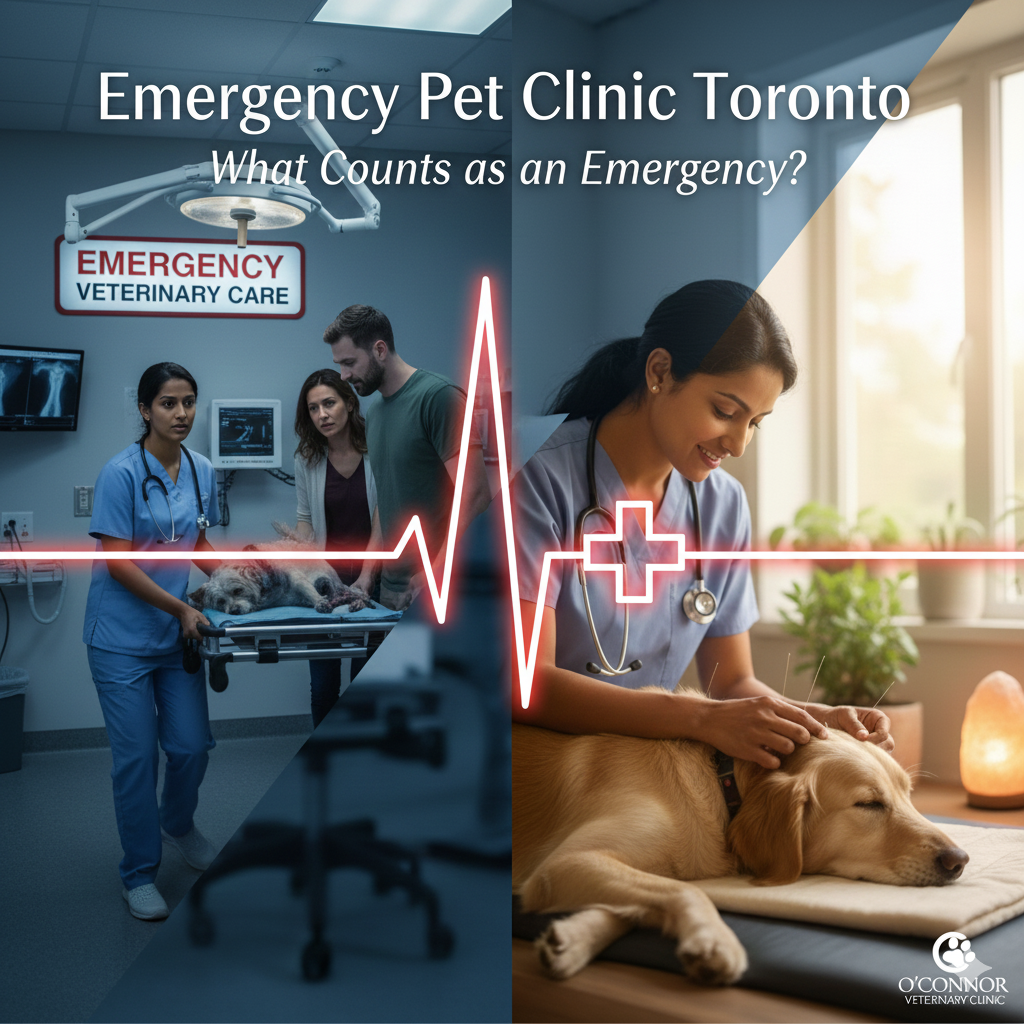
The bond we share with our pets is often characterized by moments of pure joy, quiet companionship, and deep, unspoken trust. However, every pet owner lives with the underlying anxiety of the sudden, unexpected medical crisis. When a beloved dog or cat suddenly collapses, sustains a trauma, or exhibits alarming symptoms, the few moments between noticing the problem and seeking help can feel like an eternity. Panic is a natural reaction, but in an emergency, quick, informed action is the true lifesaver.
Knowing what constitutes a genuine veterinary emergency is the single most important piece of knowledge a pet owner can possess. In the frantic search for immediate care, many Toronto-area residents rely on the oconnor veterinary clinic for expert, extended-hours care. But how do you make the call? Is severe vomiting an emergency? Is a small cut urgent?
This comprehensive guide is designed to empower you with the clarity and confidence needed to triage your pet’s situation effectively. We will break down the critical signs that demand immediate intervention, differentiating between situations that are life-threatening and those that are urgently concerning. By understanding these distinctions, you can ensure your pet gets the right care at the right time, minimizing suffering and maximizing the chances of a positive outcome.
The Critical Distinction: Emergency vs. Urgent vs. Non-Urgent
When accessing an emergency pet clinic toronto option, it’s vital to understand that veterinary hospitals follow a triage system, similar to human hospitals. Triage dictates that the most life-threatening cases are seen first, regardless of arrival time. Understanding where your pet’s condition falls will help you manage expectations and ensure the best outcome.
1. The Immediate Emergency (Life-Threatening)
These are situations where minutes matter. Delaying transport could result in irreversible damage or death. These cases require immediate stabilization, advanced diagnostics, and, often, surgical intervention. If your pet exhibits any of the signs in this category, do not wait; contact the clinic immediately while en route.
2. The Urgent Condition (Critical within Hours)
These are conditions that are painful, seriously concerning, or carry a high risk of developing into a life-threatening emergency if not treated within a few hours. A pet exhibiting these signs needs immediate attention, but the prognosis is generally better if they can be seen by the veterinary team within a standard window of a few hours.
3. The Non-Urgent Condition (Schedule an Appointment)
These symptoms are concerning and warrant a veterinary visit, but they are generally stable and can wait for the next available scheduled appointment (usually within 24-48 hours). Chronic, mild, or slowly developing issues fall here.
When in doubt, especially concerning any of the signs listed below, it is always safest to call the clinic’s team first for guidance. The professionals at the oconnor veterinary clinic can provide crucial advice over the phone to help you stabilize your pet for transport.
Life-Threatening – When Minutes Matter
The following conditions require immediate transportation to an emergency pet clinic toronto. Do not attempt to treat these at home.
Severe Respiratory Distress or Choking
Difficulty breathing is arguably the most critical emergency. Pets that cannot exchange air effectively are rapidly deprived of oxygen, leading to organ failure and death.
- Signs: Open-mouthed breathing (especially in cats), labored belly movements, blue or pale gums (check the inner lip), wheezing, gasping, or a pet standing with the elbows turned out and neck extended.
- Action: If choking on a foreign object, attempt a quick, safe removal if visible and easily accessible. Otherwise, focus on calm, quick transport. Call ahead to let the clinic know you are coming so they can prepare oxygen and stabilization tools.
Acute Trauma or Fall
Significant physical trauma, such as being hit by a car, suffering a high-rise fall, or sustaining a severe blow, often results in internal injuries that are not visible externally.
- Signs: Collapse, pale gums, rapid/weak pulse, abdominal distension, bleeding from the mouth or rectum, inability to move limbs. Even if the pet seems fine, internal bleeding or organ damage may be occurring.
- Action: Move the pet carefully, using a rigid surface like a board or blanket as a stretcher to stabilize the spine. Assume fractures or internal injuries are present and prioritize pain management and shock treatment at the clinic.
Acute Collapse, Weakness, or Seizures
A sudden, unexplained collapse or weakness (inability to stand or walk normally) is always a major concern, potentially indicating internal bleeding, severe heart disease, or neurological crisis. Similarly, a seizure (uncontrolled muscle movements) requires immediate attention, especially if it is the first occurrence, lasts longer than five minutes, or the pet has multiple seizures in a short timeframe (cluster seizures).
- Signs: Loss of consciousness, involuntary paddling of the limbs, drooling, urinating/defecating during the event, prolonged confusion (post-ictal phase).
- Action: During a seizure, keep the pet safe by clearing the area; do not put anything in their mouth. Time the seizure. Once stabilized, transport immediately.
Toxin Ingestion or Poisoning
Accidental ingestion of human medications, cleaning products, toxic plants, rodenticides, or antifreeze can be fatal without rapid intervention. The effectiveness of treatment relies heavily on the time elapsed since ingestion.
- Signs: Vomiting, diarrhea, tremors, staggering, excessive drooling, hyperactivity, or lethargy.
- Action: If possible, bring the original packaging or a sample of the substance ingested. Do not induce vomiting unless specifically instructed by a veterinarian, as some substances (like corrosives) can cause more damage coming back up. For urgent advice on a potential poisoning, immediate contact is essential, allowing the oconnor medical clinic team to prepare necessary antidotes or decontamination protocols.
Uncontrolled or Severe Bleeding
While minor cuts are not emergencies, any bleeding that you cannot stop with gentle pressure, or bleeding from a body orifice (mouth, rectum, ears, etc.), is critical.
- Signs: Blood spurting, continuous flow, large amounts of blood pooling, or bleeding combined with signs of shock (pale gums, weakness).
- Action: Apply firm, direct pressure using a clean towel or gauze. Maintain pressure during transport. If the wound is extensive, the pet will require immediate wound assessment, imaging, and possibly surgery or a blood transfusion.
Urgent, But Stabilizable, Conditions – Seek Care Immediately
While these conditions may not be immediately fatal, they can rapidly progress or cause significant distress and must be seen by the east side veterinary services team as soon as possible.
Persistent Vomiting or Diarrhea
Occasional vomiting is common, but persistent, severe, or bloody vomiting/diarrhea can lead to rapid and dangerous dehydration, electrolyte imbalance, and shock. This is especially true if the pet is unable to hold down water for more than a few hours.
- Warning Signs: Profuse, projectile vomiting, vomiting that occurs more than twice in an hour, dark or bloody diarrhea, or vomiting paired with abdominal pain/bloating.
- Concern: Persistent vomiting or a lack of appetite can also signal a foreign body obstruction, which often requires diagnostics and potential surgery. The team can utilize advanced tools to investigate such issues quickly; more information on these services is available on the clinic’s In-House Medical Imaging Services page.
Sudden Inability to Urinate
This is a true emergency, particularly for male cats and dogs, and should never be delayed. A blocked urethra prevents toxins from being expelled, causing them to build up in the bloodstream (uremia) within hours, which can be fatal.
- Signs: Straining in the litter box or outside with no or minimal urine production, crying when trying to urinate, frequent trips to the litter box.
- Action: This requires immediate catheterization and stabilization. Do not wait for the pet to “try again.”
Extreme Temperature Changes
Both heatstroke and severe hypothermia are emergencies. Heatstroke is common in the summer, especially in brachycephalic (flat-faced) breeds or those left in hot cars, causing rapid organ failure. Hypothermia (low body temp) is common after prolonged exposure to cold or in severely sick/shocky patients.
- Signs (Heatstroke): Excessive panting, bright red gums, staggering, collapse.
- Signs (Hypothermia): Shivering, lethargy, cold skin, weakness.
- Action: For heatstroke, cool the pet gently with cool (not icy) water, but stop cooling once they are stable and transport them immediately to avoid over-cooling. For hypothermia, wrap them in blankets and seek urgent care.
Sudden Eye Injuries or Trauma
Eye issues, such as a suddenly red, cloudy, or painful eye, or an injury that causes the eye to bulge, must be addressed immediately. The eye is a delicate organ, and delays in treatment—even by a few hours—can result in permanent vision loss.
Canine Bloat (Gastric Dilatation and Volvulus – GDV)
GDV is a critical, life-threatening condition primarily affecting large, deep-chested dog breeds (like Great Danes, German Shepherds). The stomach twists, trapping gas and fluid, leading to rapid shock.
- Signs: Distended/swollen abdomen, non-productive retching (trying to vomit but nothing comes up), drooling, restlessness, visible pain, collapse.
- Action: This requires immediate surgery. Transport is an absolute priority.
Preparation and Prevention: The Role of Routine Care
While emergencies are unpredictable, a proactive approach to pet health significantly reduces risks. The commitment of the oconnor veterinary clinic to foundational wellness and diagnostics ensures that underlying conditions are caught before they escalate into crises.
The Importance of a Baseline
Annual wellness checks at the o’connor medical clinic are not just about vaccinations; they establish a vital health baseline. Knowing your pet’s normal vital signs, blood work values, and weight allows the veterinary team to recognize subtle deviations during a crisis. Early detection of conditions like heart murmurs, kidney disease, or Cushing’s disease through routine bloodwork and imaging (such as the in-house diagnostics mentioned earlier) can prevent the severe complications that often precipitate an emergency visit.
Proactive Wellness and Rehabilitation
A significant element of modern veterinary care involves extending health beyond the acute phase. For pets with chronic conditions—or those recovering from a traumatic emergency—the o’connor rehabilitation & wellness clinic offers specialized pathways to recovery. Services like physical therapy, acupuncture, and tailored nutritional plans help manage pain, restore mobility, and prevent secondary injuries, ensuring an emergency doesn’t lead to a lifetime of limited quality of life. This holistic approach, practiced by the east york holistic animal clinic, focuses on comprehensive, long-term well-being.
Be Prepared: Your Emergency Action Plan
- Know Your Vet: Have the oconnor veterinary clinic phone number saved in your phone.
- Pet First Aid Kit: Keep essentials ready (gauze, antiseptic wipes, pet-safe muzzle—use only if necessary to prevent bites due to pain).
- Transport Plan: Identify the fastest route to the clinic’s location.
- Stay Calm: The calmer you are, the calmer your pet will be. Focus on gentle, quick action.
When to Call: Your Critical First Step
Regardless of which category you think your pet falls into, if you feel a gut instinct that something is seriously wrong, call the clinic immediately.
The team is experienced in helping pet owners triage over the phone, advising on whether immediate transport is necessary or if the pet is stable enough for observation or a scheduled visit. They can also provide essential instructions on safely transporting an injured or unstable animal.
The oconnor veterinary clinic proudly operates as a key east side veterinary services provider, ensuring the community has access to quality care six days a week, including late hours and weekends. This extended availability is critical for addressing urgent needs as they arise.
To ensure your pet receives the quickest attention, contact the team immediately as you prepare to leave home. Find the direct contact information and a map to the facility via the clinic’s Book Appointment and Contact page.
Conclusion: Expertise and Empathy in East York
In the moments of highest stress, you need expertise you can trust and an accessible location that minimizes travel time. The comprehensive medical, diagnostic, and emergency services offered by the oconnor veterinary clinic—from the foundational o’connor medical clinic standards to the specialized care of the o’connor rehabilitation & wellness clinic—ensure that your pet receives seamless care, whether for a routine check-up or a life-threatening crisis.
By recognizing the signs of an emergency and knowing exactly when to act, you become your pet’s most powerful advocate. The dedicated team in East York is always ready to stand alongside you, providing the urgent care your companion needs to recover and thrive.