
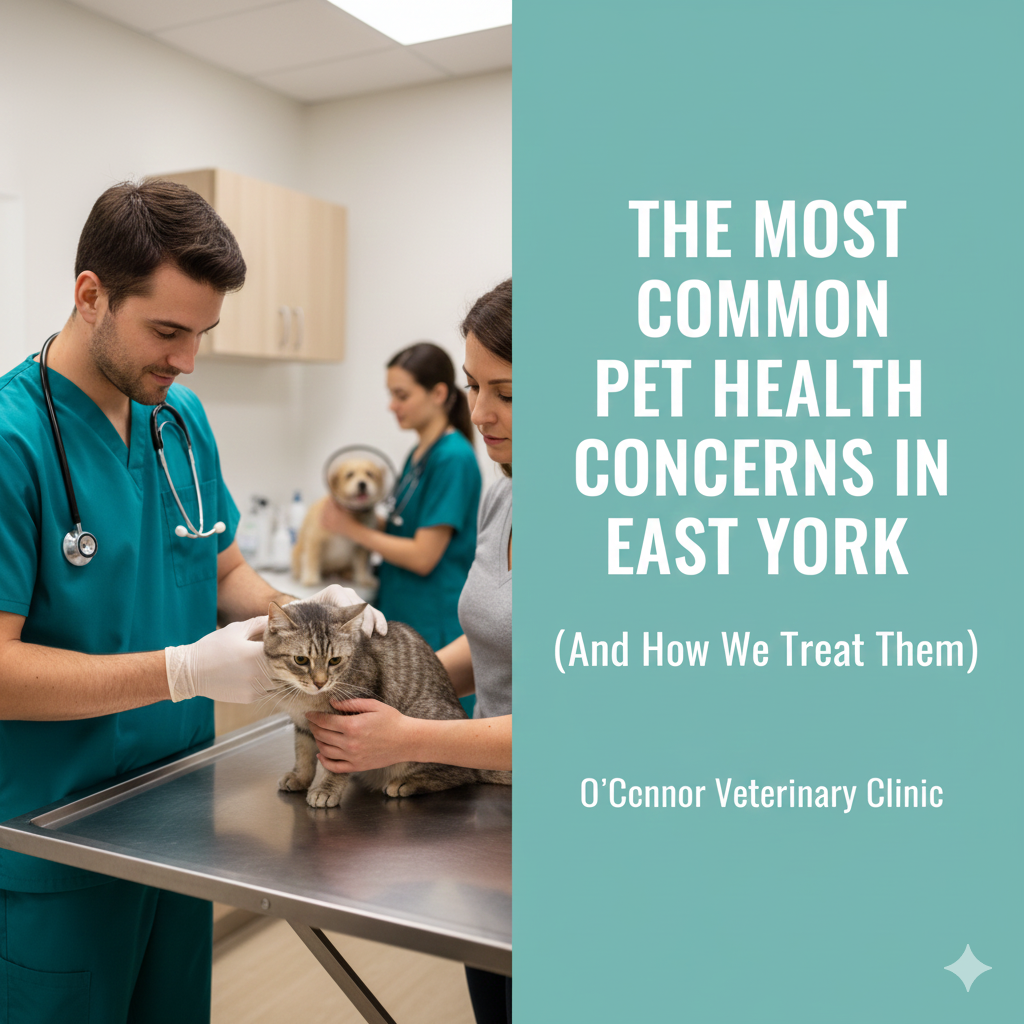
Living in East York means your pets enjoy diverse green spaces, from neighborhood parks to trails along the Don River. Yet despite the active lifestyle many pets lead here, certain health concerns arise more frequently than others in our community. After years of serving local families at our clinic on O’Connor Drive, we’ve identified patterns in the conditions affecting East York pets and developed targeted approaches to address them effectively.
Understanding these common health challenges helps pet owners recognize early warning signs and seek appropriate care before minor concerns escalate into serious problems. At O’Connor Veterinary Clinic, our team treats these conditions daily, combining advanced diagnostics with compassionate care to deliver outcomes that keep East York pets healthy and thriving.
Seasonal Allergies: East York’s Hidden Health Challenge
The tree-lined streets that make East York beautiful also contribute to one of the most frequent complaints we see: environmental allergies. Dogs and cats react to pollen, mold spores, and grass allergens that proliferate throughout our neighborhoods, especially during spring and fall.
Recognizing Allergy Symptoms in Your Pet
Many pet owners mistake allergy symptoms for other conditions, delaying proper treatment. Watch for excessive paw licking, face rubbing, recurrent ear infections, red or inflamed skin, and hair loss in affected areas. Unlike humans who experience respiratory symptoms, pets typically manifest allergies through skin issues.
Cooper, a three-year-old Beagle who loved exploring Taylor Creek Park, developed persistent ear infections every spring. His owners tried various treatments without lasting success until they visited our clinic. Through comprehensive evaluation, we identified environmental allergies as the underlying cause rather than isolated ear problems.
Our Approach to Dermatology and Allergy Care
Effective dermatology and allergy care requires identifying specific triggers while managing symptoms. We utilize multiple diagnostic approaches including skin testing, elimination trials, and detailed environmental history. Once we understand what triggers your pet’s reactions, we develop management strategies tailored to their lifestyle.
Treatment options range from immunotherapy that desensitizes pets to specific allergens, to symptomatic management using antihistamines, fatty acid supplements, and when necessary, targeted medications. We also provide guidance on environmental modifications that reduce allergen exposure in your home.
Many East York pets benefit from seasonal treatment protocols that intensify during high-pollen months and taper during winter. This approach minimizes medication use while maintaining comfort year-round. Regular follow-up appointments allow us to adjust strategies as needed, ensuring optimal outcomes.
Weight Management: An Growing Concern Among Urban Pets
Pet obesity rates have climbed steadily across North America, and East York proves no exception. Approximately 60 percent of cats and 55 percent of dogs we examine carry excess weight, increasing their risk for diabetes, arthritis, heart disease, and shortened lifespans.
The Reality of Nutrition and Weight Management
Modern pet owners often express love through food, unknowingly contributing to health problems. Additionally, urban living sometimes limits exercise opportunities despite East York’s walkable neighborhoods. The combination creates a perfect storm for weight gain.
Nutrition and weight management begins with honest assessment. During preventive wellness exams, we evaluate body condition scoring and discuss realistic feeding guidelines. Many owners are surprised to learn their pet is overweight, as gradual weight gain normalizes in their perception over time.
Take Bella, a seven-year-old domestic shorthair cat whose family noticed decreased activity. They attributed her lethargy to aging until a wellness exam revealed she carried nearly 40 percent excess body weight. Her joints ached, making movement uncomfortable, which further reduced activity in a vicious cycle.
Creating Sustainable Weight Loss Programs
We design individualized weight management plans considering each pet’s metabolism, activity level, and household dynamics. Crash diets don’t work for pets any better than for humans. Instead, gradual, sustainable changes produce lasting results without causing stress or nutritional deficiencies.
Successful programs combine portion-controlled feeding with increased activity appropriate to the pet’s current fitness level. We provide specific caloric targets, recommend suitable foods, and suggest exercise activities that fit into busy East York lifestyles. For indoor cats, environmental enrichment that encourages natural hunting behaviors can significantly increase caloric expenditure.
Regular monitoring proves essential. We schedule monthly weight checks to track progress and make adjustments. Celebrating small victories keeps owners motivated during the sometimes lengthy process of achieving a healthy weight. Bella lost her excess weight over eight months, transforming from a lethargic cat who barely moved to an active companion who now regularly plays with her family.
Arthritis and Joint Disease: Supporting Aging East York Pets
The changing demographics of pet ownership mean more families share their lives with senior animals. Arthritis affects approximately 80 percent of dogs over eight years old and many older cats, though feline arthritis often goes undiagnosed because cats hide discomfort effectively.
Identifying Mobility Problems Early
Pet owners frequently misattribute mobility changes to “just getting older,” accepting decline as inevitable. However, arthritis causes genuine pain and inflammation that responds well to appropriate treatment. Recognizing subtle signs enables earlier intervention and better quality of life.
Watch for reluctance to climb stairs, difficulty rising from rest, decreased interest in walks or play, stiffness after exercise, and behavioral changes like irritability or withdrawal. Cats may stop using litter boxes with high sides, avoid jumping to favorite perches, or groom less effectively.
Our Comprehensive Approach to Arthritis and Mobility Therapy
Arthritis and mobility therapy at the east york holistic animal clinic extends beyond simple pain medication. We employ multi-modal strategies addressing pain, inflammation, muscle weakness, and joint health simultaneously. This comprehensive approach delivers superior outcomes compared to any single treatment.
Our protocols typically include pharmaceutical options when necessary, combined with weight management, joint supplements containing glucosamine and omega-3 fatty acids, controlled exercise programs, and environmental modifications. Some pets benefit from additional therapies like acupuncture or cold laser treatment that reduce inflammation and stimulate healing.
Max, a ten-year-old Golden Retriever, struggled with hip and elbow arthritis that limited his mobility significantly. His family worried they might need to consider euthanasia as his quality of life deteriorated. Through in-house diagnostics including radiographs and bloodwork, we developed a comprehensive management plan.
Within six weeks of starting treatment, Max showed remarkable improvement. He began enjoying short walks again, greeted family members at the door, and showed interest in toys he’d ignored for months. His transformation demonstrated how effective arthritis management can restore function and joy to senior pets’ lives.
Dental Disease: The Silent Epidemic
Periodontal disease represents the most common health condition affecting pets, yet many owners remain unaware their companion suffers from painful dental problems. By age three, approximately 80 percent of dogs and 70 percent of cats show signs of dental disease.
Why Dental Health Matters
Dental disease begins with plaque accumulation that hardens into tartar, leading to gum inflammation, infection, and eventually tooth loss. Beyond the obvious oral problems, bacteria from infected gums enter the bloodstream, potentially affecting the heart, liver, and kidneys.
Bad breath often represents the first sign owners notice, but by that point, significant disease has already developed. Other indicators include difficulty eating, dropping food, pawing at the mouth, and visible tartar accumulation. Some pets show no obvious symptoms despite severe dental disease because they instinctively hide discomfort.
Professional Dental Care That Makes a Difference
Regular professional cleanings under anesthesia allow thorough examination and treatment impossible during conscious exams. We utilize dental radiographs that reveal problems below the gum line, comprehensive scaling and polishing, and when necessary, tooth extractions that eliminate sources of infection and pain.
Between professional cleanings, home dental care significantly slows disease progression. We demonstrate proper tooth brushing techniques and recommend dental-specific diets, treats, and water additives that mechanically reduce plaque accumulation or contain enzymes that inhibit bacteria.
Lucy, a five-year-old Yorkshire Terrier, came to us when her owners noticed she stopped eating hard kibble. Oral examination revealed severe periodontal disease with multiple loose teeth causing chronic pain. After dental surgery removed damaged teeth and cleaned remaining ones, Lucy’s personality transformed. She became playful and energetic, showing her family the difference pain-free living made.
Gastrointestinal Issues: Common but Not Normal
Digestive upset ranks among the most frequent reasons East York pet owners seek veterinary care. While occasional mild symptoms may resolve independently, persistent or severe gastrointestinal problems require professional evaluation to identify underlying causes and prevent complications.
Distinguishing Minor Upset from Serious Conditions
Vomiting and diarrhea can result from dietary indiscretion, infections, parasites, inflammatory bowel disease, organ dysfunction, or more serious conditions like pancreatitis or intestinal obstruction. Determining the cause requires systematic evaluation considering symptom severity, duration, and accompanying signs.
Single episodes of vomiting or loose stool in otherwise normal pets may warrant watchful waiting with supportive care. However, repeated episodes, presence of blood, signs of pain, lethargy, or refusal to eat indicate the need for veterinary examination. Puppies, kittens, and senior pets warrant earlier intervention due to their vulnerability to dehydration.
Diagnostic Approach to Digestive Problems
Our evaluation begins with detailed history and physical examination. We inquire about diet, potential toxin exposure, recent changes, and symptom patterns. Physical examination assesses hydration status, abdominal pain, and overall condition.
Depending on findings, we may recommend fecal testing for parasites, bloodwork to evaluate organ function and electrolytes, or imaging studies to visualize the digestive tract. This systematic approach identifies treatable causes while ruling out emergencies requiring immediate intervention.
Charlie, a two-year-old Lab mix, experienced intermittent vomiting and diarrhea for several weeks. His owners initially attributed symptoms to his tendency to eat things during walks. However, when weight loss became apparent despite good appetite, they sought evaluation. Comprehensive testing revealed inflammatory bowel disease requiring specific management rather than simple dietary indiscretion.
Respiratory Infections: When to Worry About Coughs and Sneezes
Upper respiratory infections affect both dogs and cats in our community, particularly those who interact with other animals at parks, boarding facilities, or grooming salons. While many cases resolve with minimal intervention, some progress to serious lower respiratory disease requiring aggressive treatment.
Understanding Canine and Feline Respiratory Disease
Dogs commonly develop “kennel cough,” a complex of viral and bacterial infections causing persistent coughing. Most cases remain mild, but puppies, senior dogs, and those with compromised immune systems risk progression to pneumonia.
Cats contract respiratory infections typically caused by herpes virus or calicivirus. Symptoms include sneezing, nasal discharge, conjunctivitis, and sometimes oral ulcers. While rarely life-threatening in adult cats, kittens and immunocompromised cats require careful monitoring.
Treatment and Prevention Strategies
Mild respiratory infections often improve with supportive care including rest, humidity to loosen secretions, and encouragement to eat and drink. More severe cases require antibiotics for secondary bacterial infections, medications to reduce inflammation and open airways, and sometimes hospitalization for oxygen therapy or intravenous fluids.
Prevention focuses on appropriate vaccination protocols. We tailor vaccine recommendations to each pet’s lifestyle and risk factors. Dogs frequently boarding or visiting dog parks benefit from kennel cough vaccines, while indoor-only cats may not require certain vaccines needed by outdoor cats.
Urinary Tract Problems: Recognizing Critical Symptoms
Urinary tract issues range from uncomplicated infections to life-threatening obstructions. Male cats face particular risk for urinary blockages that constitute true emergencies requiring immediate intervention.
Warning Signs Requiring Immediate Attention
Any pet straining to urinate, producing only small amounts of urine, crying during urination, or showing blood in urine needs prompt evaluation. Male cats showing these symptoms require emergency pet clinic Toronto assessment immediately, as complete blockage can prove fatal within hours without treatment.
Other concerning signs include increased urination frequency, accidents in house-trained pets, foul-smelling urine, and excessive water consumption. These symptoms can indicate infections, bladder stones, kidney disease, or diabetes requiring different treatment approaches.
Diagnostic and Treatment Protocols
We perform urinalysis to detect infection, crystals, or abnormal cells, and may recommend urine culture to identify specific bacteria and appropriate antibiotics. Bloodwork evaluates kidney function and screens for diabetes. Imaging studies may be necessary to identify stones or structural abnormalities.
Treatment depends on the underlying cause but may include antibiotics for infections, dietary changes to prevent stone formation, medications to relax the urinary tract or reduce inflammation, and in severe cases, surgical intervention. We also address contributing factors like stress in cats or inadequate water intake.
The Role of Early Diagnostics and Treatment
Many conditions we treat could have been addressed more easily and effectively if identified earlier. Early diagnostics and treatment form the cornerstone of veterinary medicine, enabling intervention before problems become advanced or complications develop.
How Preventive Wellness Exams Save Lives
Annual or bi-annual wellness examinations for healthy pets seem unnecessary to some owners whose companions appear perfectly fine. However, these visits routinely detect problems in early stages when treatment proves most effective and least invasive.
During wellness exams, we perform thorough physical examination, discuss any subtle changes owners may have noticed, and recommend age-appropriate screening tests. Baseline bloodwork in young healthy pets provides comparison values for future tests. Senior pet screenings detect organ dysfunction before clinical symptoms appear.
Advanced Diagnostic Capabilities at Our East Side Veterinary Services
Modern veterinary medicine offers diagnostic tools that identify problems accurately and quickly. Our clinic maintains east side veterinary services capabilities including complete in-house laboratory, digital radiography, and ultrasound. This equipment allows us to evaluate pets comprehensively without delays inherent in sending tests to outside laboratories.
Immediate results enable rapid treatment decisions, particularly crucial for seriously ill pets. We can identify infections, evaluate organ function, visualize internal structures, and detect abnormalities that guide appropriate therapy. This diagnostic sophistication represents one advantage of choosing a well-equipped clinic for your pet’s care.
When Minutes Matter: Emergency Care in East York
Despite our best preventive efforts, emergencies happen. Knowing how to recognize true emergencies and having rapid access to capable emergency care can mean the difference between life and death for your companion.
Recognizing True Pet Health Emergencies
Certain situations always constitute emergencies requiring immediate veterinary attention: difficulty breathing, seizures, collapse or inability to stand, severe bleeding, suspected poisoning, trauma from vehicular accidents or fights, distended painful abdomen, and straining to urinate especially in male cats.
Other situations require urgent evaluation though may not be immediately life-threatening: persistent vomiting or diarrhea, refusal to eat for more than 24 hours, sudden behavior changes or apparent disorientation, eye injuries or sudden vision loss, and severe pain.
Our Approach to Emergency and Urgent Care
Located at 1551 O’Connor Dr in East York, our clinic provides emergency and urgent care services with extended hours. We’re open Monday and Wednesday through Sunday from 12 PM until midnight, ensuring East York families have access to veterinary care when emergencies strike during evening hours.
Our emergency protocols prioritize rapid stabilization followed by thorough diagnostic evaluation. We maintain emergency medications and equipment ready for immediate deployment. The same caring team who sees your pet for wellness visits provides emergency care, offering continuity and familiarity during stressful situations.
Comparing Treatment Approaches: Finding What Works Best
Modern veterinary medicine offers multiple treatment options for most conditions. Understanding different approaches helps owners make informed decisions aligning with their values and their pet’s needs.
Conventional vs. Integrative Treatment Options
Conventional veterinary medicine relies on pharmaceuticals and surgical interventions supported by scientific research. These approaches effectively treat acute conditions, manage serious diseases, and save lives in emergency situations. Most conditions we encounter respond well to conventional therapies.
Integrative veterinary medicine incorporates evidence-based complementary therapies alongside conventional treatments. These might include acupuncture for pain management, herbal supplements for various conditions, therapeutic diets, and stress-reduction techniques. At our east york holistic animal clinic, we evaluate which complementary approaches might enhance outcomes for specific patients.
The key lies in evidence-based decision-making. We recommend therapies shown through research to provide benefit, whether conventional, complementary, or combined. Some conditions respond optimally to multimodal approaches using both conventional and complementary strategies.
Choosing Between Treatment Options
When multiple reasonable treatment paths exist, we present options with honest discussion of benefits, risks, costs, and time commitments. Some owners prefer aggressive intervention while others choose conservative management. Both approaches have merit depending on the situation.
We respect owner preferences while ensuring pets receive appropriate care. If owners decline recommendations we consider essential for their pet’s wellbeing, we discuss concerns openly and work toward solutions acceptable to everyone involved.
Frequently Asked Questions About Pet Health Concerns
-
How often should healthy pets visit the veterinarian?
Adult pets benefit from annual wellness examinations. Senior pets, those over seven years for dogs and cats, should have twice-yearly checkups since they age more rapidly and conditions develop quickly. Puppies and kittens require multiple visits during their first year for vaccinations and growth monitoring. Pets with chronic conditions need more frequent monitoring based on their specific needs.
-
What vaccinations does my pet really need?
Core vaccines protect against serious diseases all pets risk exposure to and include rabies, distemper, and parvovirus for dogs, and rabies, herpesvirus, and calicivirus for cats. Non-core vaccines depend on lifestyle factors like exposure to other animals, travel, and local disease prevalence. We tailor vaccine protocols to each patient’s risk factors during wellness visits.
-
How can I tell if my pet is in pain?
Pets instinctively hide pain, making recognition challenging. Behavioral changes often indicate discomfort including decreased activity, reluctance to jump or climb stairs, changes in appetite or sleep patterns, increased vocalization, hiding, excessive grooming of specific areas, or aggression when handled. Any sudden behavior change warrants veterinary evaluation.
-
Should I wait to see if symptoms improve before calling?
For mild symptoms in otherwise healthy pets, brief observation may be reasonable. However, symptoms persisting beyond 24 hours, anything severe, or problems in very young, very old, or already ill pets warrant prompt evaluation. When in doubt, call us. We can help assess whether immediate examination is needed or if monitoring remains appropriate.
-
Does pet insurance cover preventive care?
Most pet insurance policies cover unexpected illnesses and injuries rather than routine preventive care. However, some companies offer wellness plans as add-ons that reimburse routine examinations, vaccinations, and screening tests. We recommend reviewing policy details carefully to understand coverage before assuming preventive care is included.
-
What should I do if my pet needs emergency care when the clinic is closed?
We’re open extended hours until midnight six days per week to handle many urgent situations. For overnight emergencies on Tuesday when we’re closed, we can provide referrals to 24-hour emergency facilities in the Toronto area. Keep emergency clinic information readily accessible in case urgent care becomes necessary during closed hours.
Prevention: The Best Medicine for East York Pets
While we’ve discussed treating common health concerns, prevention remains the most effective strategy. Many problems we treat routinely could have been avoided or minimized through appropriate preventive care.
Preventive strategies include maintaining healthy weight through proper nutrition and exercise, staying current on vaccinations and parasite prevention, scheduling regular wellness examinations with age-appropriate screening tests, providing dental care both professional and at home, and creating safe environments that minimize injury and toxin exposure risks.
Investing time and resources in prevention pays dividends through longer, healthier lives for your companions and reduced need for expensive treatments addressing advanced disease. The bond you share with your pet deepens when they feel well and can actively participate in family life.
Taking Action for Your Pet’s Health
Understanding common pet health concerns in East York represents the first step toward keeping your companion healthy. Recognizing early warning signs enables timely intervention, while routine preventive care prevents many problems from developing.
At oconnor veterinary clinic, we partner with East York families to provide comprehensive care addressing both immediate concerns and long-term wellness. Our experienced team combines advanced diagnostic capabilities with genuine compassion, treating every patient as if they were our own.
Whether you need routine wellness care, have questions about symptoms you’ve noticed, or face a pet health emergency, we’re here to help. Call us at +1 416-755-8387 or email petcare@oconnorveterinaryclinic.ca to schedule an appointment or discuss your pet’s needs. Our convenient location at 1551 O’Connor Dr in East York, ON M4B 2V7, serves families throughout East York and the greater Toronto area.
Your pet’s health matters to us as much as it matters to you. Let us demonstrate how comprehensive, compassionate veterinary care can make a difference in your companion’s life.
O’Connor Veterinary Clinic provides complete veterinary services to East York pets, from preventive wellness and routine care to advanced diagnostics and emergency treatment. Our experienced team stays current on the latest medical advances while maintaining the personal, caring approach that makes veterinary visits positive experiences for both pets and their families.